Why Families Love a Southern Restaurant in Pittsburgh, PA
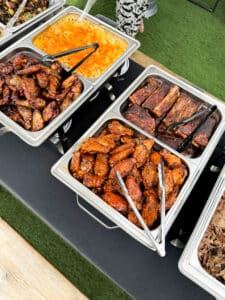
Family dining sounds simple until you try to please everyone at one table. One person wants comfort food, another needs a lighter option, a toddler is two skipped naps away from disaster, and the grandparents would prefer somewhere they can actually hear the conversation. That is where a great Southern restaurant earns its reputation. In Pittsburgh, families tend to come back to the places that make dinner feel easier, warmer, and more generous than the usual night out.
That is a big reason a well-run southern restaurant Pittsburgh, PA families trust can become part of their weekly rhythm. It is not only about fried chicken, biscuits, or mac and cheese, although those certainly help. It is the full experience: familiar food, flexible portions, a setting that welcomes kids without making adults feel like they are dining in a play zone, and service that understands how real families move through a meal.
Southern food has always had a natural advantage with groups because it is built around hospitality. The best Southern restaurants are designed for sharing, for passing plates, for ordering one extra side because someone at the table will absolutely want a bite. That spirit fits family life in a way many trend-driven concepts do not.
Comfort food that speaks to every generation
Families rarely agree on everything, but they do tend to agree on food that feels comforting. Southern cooking works because it reaches people at different ages for different reasons. Kids love the crispy textures and mellow flavors. Parents appreciate meals that feel substantial and worth the money. Older relatives often connect with the style of cooking on a memory level, whether that memory comes from the South itself or from home kitchens where food was made slowly and served generously.
A plate of fried chicken, for example, does more than satisfy hunger. It solves a common family dining problem. It is recognizable, broadly appealing, and comforting without being boring. The same goes for dishes like shrimp and grits, smothered pork chops, cornbread, collard greens, candied yams, and baked mac and cheese. These are foods with presence. They arrive at the table looking and smelling like dinner should.
In my experience, that matters more than many operators realize. Families notice whether a meal feels complete. They notice whether the sides are afterthoughts or whether they carry the same care as the main plate. At a strong Southern restaurant, the sides often become part of the reason people return. A child may talk about the cheesy grits for days. A parent may quietly decide the green beans were the best thing on the table. A grandparent might ask whether the cornbread was made in-house. Those details build loyalty.
There is also less friction in ordering. A menu full of highly specialized small plates or unfamiliar ingredients can create stress for parents who are trying to order before someone melts down. Southern menus tend to be easier to read and easier to imagine. Families can scan the options quickly and feel confident that everyone will find something solid.
The portions make the outing feel worth it
Price matters to families, especially when dining out can mean paying for four, five, or more people at once. One reason Southern restaurants hold such a strong place in family dining is that the food often feels abundant. Even when prices are in line with other casual dining spots, the portioning creates a stronger sense of value.
That value is not just about size. It is about satisfaction. A chicken and waffles plate that can carry someone through dinner and leave enough for tomorrow’s lunch feels worthwhile. A table with shared sides that everyone can pass around creates the sense of a real meal, not just individual orders dropped in front of each guest.
Pittsburgh families tend to be practical diners. They are not usually looking for a tiny, artfully arranged portion with a high concept attached to it, especially not on a weeknight. They want quality, but they also want substance. Southern restaurants often understand that instinctively. The meal should feed people well. It should feel generous. No one should leave wondering whether they need a second dinner at home.
Parents especially appreciate restaurants where one or two additions can stretch the table. An extra biscuit basket, a side of mac and cheese, a plate of catfish to share, these choices can calm the ordering process and make the meal feel communal. Southern food lends itself to that style naturally.
Kids are welcomed, not merely tolerated
There is a difference between a restaurant that permits children and one that genuinely accommodates them. Families can tell the difference within minutes of walking in. It shows up in the way the staff greets the table, how quickly drinks are offered, whether there are easy menu options, and how the room is arranged.
A family-friendly Southern restaurant usually gets the basics right. The pacing of service tends to be more intuitive. Staff members understand that children often need something on the table quickly, even if it is just cornbread, fruit, or a side dish to hold them over. They know parents are making dozens of micro-decisions at once. Small acts of awareness matter, such as spacing plates sensibly, checking in without hovering, and bringing refill requests promptly.
Children also respond well to Southern flavors because many of them are familiar and approachable. Crispy chicken tenders done well are not just “kid food.” They are a legitimate crowd-pleaser. Creamy mashed potatoes, rice, sweet corn, waffles, and biscuits make the table feel friendly to younger diners without forcing adults into a bland menu.
What families really value, though, is emotional comfort. Parents do not want to feel judged if a baby fusses for a minute or if a seven-year-old drops a fork. Restaurants that carry a true spirit of hospitality create a buffer around those ordinary family moments. When the room feels relaxed and the staff stays gracious, people settle in and enjoy themselves.
Southern hospitality is more than a slogan
People use the phrase “Southern hospitality” so casually that it can sound like marketing copy, but at its best it has real meaning. In restaurant terms, it means guests are treated as though their comfort matters. Not theatrically, not with rehearsed charm, but with warmth, patience, and a sense that the meal is meant to be enjoyed rather than rushed.
Families gravitate to that atmosphere because it lowers the tension that often comes with dining out. If the host greets children directly, if the server answers grandparents clearly without impatience, if substitutions are handled without attitude, the whole experience changes. Hospitality is often what turns a restaurant from a once-in-a-while place into a family standby.
That is especially true in mixed-age groups. A meal that includes young children and older adults requires a bit of finesse. Noise level matters. Seating matters. Timing matters. The best Southern restaurants handle these variables almost invisibly. They understand when a family needs a booth, when a high chair should appear immediately, and when dessert should be offered at exactly the right moment to keep the evening going smoothly.
This kind of service is not flashy. It is skilled. And families remember it. Many return not because every meal was perfect in some abstract culinary sense, but because the restaurant made them feel at ease.
The food encourages sharing and conversation
Some cuisines are naturally individual. Everyone orders their own dish, eats from their own plate, and the table interaction is limited. Southern food often works differently. It invites passing, sampling, and reaching across the table for “just one bite” of something that looked too good to ignore.
That matters for families because shared food changes the tone of the meal. Instead of four separate experiences happening at once, dinner becomes collective. Someone insists the collard greens are better than expected. A cousin steals half the banana pudding. Grandparents debate whose generation made the better cornbread. These moments sound small, but they are what people mean when they say they had a great family meal.
The format of Southern dining helps this happen. Big side dishes, biscuit baskets, appetizers that genuinely feed a group, and desserts designed for the middle of the table all support togetherness. That approach suits celebrations, casual weeknights, and those in-between meals when no one wants to cook but everyone still wants the feeling of home.
In Pittsburgh, where family traditions run deep and many neighborhoods still have a strong sense of local identity, restaurants that make communal dining easy tend to develop lasting followings. Southern cooking fits that pattern naturally.
It fits both celebrations and ordinary nights
One overlooked strength of a Southern restaurant is versatility. Families need places that can handle more than one kind of occasion. A restaurant that works only for birthdays is not as useful as one that also works after soccer practice, after church, during a grandparent visit, or on a Friday when no one has the energy to cook.
Southern restaurants often bridge those occasions well. The food feels special enough for a celebration but familiar enough for a regular dinner. You can dress up a little for Sunday brunch or walk in more casually for an early weekday meal. That flexibility matters to families because life is not neatly segmented into “special occasion dining” and “everything else.” Most households need reliable places that can stretch across moods and budgets.
The emotional range of the menu helps. Fried chicken can feel festive. Shrimp and grits can feel a bit more indulgent. A plate of ribs with sides can satisfy a hungry teenager after a long day. Bread pudding can turn a routine meal into a memorable one. Southern food carries a sense of abundance that makes even an ordinary night feel slightly more generous.
The menu often handles picky eaters better than trendier concepts
Every family has at least one selective eater, sometimes more than one. That reality shapes where people go. A restaurant can have rave reviews and still be a poor choice if the menu causes stress before the water glasses hit the table.
Southern restaurants tend to do well here because the food is grounded in recognizable ingredients and straightforward techniques. There is usually enough variety for people with different comfort levels. Someone adventurous can order blackened fish or oxtails. Someone cautious can stick with chicken, fries, waffles, or rice. A grandparent may want cabbage and cornbread, while a child asks for macaroni and cheese. Everyone can coexist on the same menu.
This is not a trivial advantage. Parents often choose repeat restaurants based less on their own preferences than on where ordering feels manageable. If there are two or three dependable options for each family member, stress drops significantly. That makes the whole outing more likely to happen again.
There is https://manuelunzl693.northvaledigest.com/posts/a-local-s-guide-to-finding-a-southern-restaurant-in-pittsburgh-pa also a practical point about seasoning. Good Southern cooking has depth, but it does not have to be polarizing. The spices can be flavorful without overwhelming younger palates. Sauces can often be served on the side. Side dishes allow for easy customization. That balance gives families room to navigate different tastes without turning dinner into a negotiation.
Pittsburgh appreciates food with backbone
Pittsburgh is a city with strong food opinions. People here respect flavor, value, and substance. They tend to appreciate meals that feel rooted rather than overly conceptual. That local sensibility lines up well with Southern cooking, which is often deeply traditional even when presented in a modern dining room.
A successful southern restaurant Pittsburgh, PA diners embrace usually understands that local expectation. It cannot rely on image alone. The food has to deliver. The chicken has to be crisp, not just photogenic. The greens need proper seasoning. The cornbread cannot be dry. The portions should match the price. In a city that knows how to judge comfort food, shortcuts get noticed quickly.
At the same time, Pittsburgh families are diverse, and the appeal of Southern food cuts across backgrounds. Some guests come because the flavors remind them of home. Others come because the menu offers a kind of warmth they cannot find everywhere else. The common thread is that Southern restaurants often provide an emotional return on the meal. People leave feeling fed in a fuller sense.
The atmosphere matters as much as the plate
Food gets people in the door. Atmosphere gets them to stay, relax, and return. Families often love Southern restaurants because the room itself tends to support the meal. Warm lighting, unpretentious decor, music at a level that still allows conversation, tables that do not feel crammed together, these details shape how easy dinner feels.
A restaurant does not need to be rustic or themed to feel welcoming. In fact, some of the strongest family spaces are the ones that avoid caricature. They take the spirit of Southern hospitality and translate it into practical comfort. Chairs are sturdy. Booths work for groups. Servers move with confidence. The room has energy without chaos.
Noise level is especially important for families. Very loud restaurants wear out young children and frustrate older adults. Very quiet restaurants can make parents feel tense about every dropped spoon. Southern restaurants often land in the middle, lively enough to absorb the normal sounds of family life, calm enough for real conversation. That balance is hard to achieve and easy to appreciate.
Brunch has become part of the family ritual
If dinner is where Southern restaurants shine, brunch is where they often become tradition. Families love a weekend meal that feels more relaxed than dinner and more celebratory than breakfast at home. Southern brunch hits that mark with unusual consistency.
Chicken and waffles, shrimp and grits, biscuits with gravy, French toast, hot coffee, sweet tea, and a dessert case that somehow becomes relevant before noon, this kind of menu draws people across age groups. Brunch also suits family schedules. It works after morning activities, before afternoon errands, or as the main event of a weekend visit with relatives.
The best part is that brunch invites lingering. Families can sit a little longer without feeling as though they are occupying a table during peak dinner turnover. That slower pace encourages storytelling, planning, catching up, and all the little side conversations that make dining out feel worthwhile.
I have seen many restaurants underestimate how much this matters. Families are not always chasing novelty. Often they are looking for a place where Sunday feels good. A Southern brunch spot can fill that role beautifully.
Why loyalty forms so quickly
When families find a restaurant that gets the details right, they do not keep searching. They return. Loyalty in family dining is built on repetition, predictability, and emotional ease. Southern restaurants often perform well on all three.
People know what they are coming for. They know the portions will satisfy. They trust the menu to offer enough range. They expect warmth from the staff. They anticipate a meal that feels generous instead of stingy. Over time, these experiences stack up and become habit.
That habit is powerful because family dining is rarely spontaneous in the purest sense. It is shaped by logistics, budget, mood, and memory. The places that survive those tests become part of household routine. “Let’s go there again” is not a casual compliment. It is the highest form of praise a family can give a restaurant.
A great Southern restaurant earns that response by doing many things well at once. It serves food people actually crave, not just admire. It respects both the adults paying the bill and the children at the table. It understands that hospitality is practical, not decorative. And it creates a setting where the meal feels like more than a transaction.
That is why families keep coming back. In a city full of dining choices, a strong Southern restaurant offers something many places miss: real comfort, skillfully delivered, with enough warmth to make everyone at the table feel welcome. For Pittsburgh families, that combination is hard to beat.
Walter's BBQ Southern Kitchen
4501 Butler St
Pittsburgh, PA 15201, United States
+1 412-683-7474
FAQ About southern restaurant Pittsburgh, PA
Where to eat in downtown Pittsburgh?
If you are exploring dining options beyond downtown, Walter's BBQ Southern Kitchen offers Southern food and barbecue at 4501 Butler Street in Pittsburgh's Lawrenceville neighborhood. It is outside downtown, so allow travel time when planning your visit.
What is a must eat in Pittsburgh?
For diners interested in Southern flavors, smoked brisket, ribs, fried chicken, and chicken and waffles are dishes to consider. Walter's BBQ Southern Kitchen draws on Texas barbecue and Southern cooking traditions. Check the current menu for the dishes available during your visit.
What are some of Pittsburgh's unique restaurants?
Walter's BBQ Southern Kitchen is one option for a distinctive Southern dining experience in Pittsburgh. Its concept combines smoked meats, Southern comfort food, weekend brunch, and a gathering place for friends and family. The restaurant is located on Butler Street in Lawrenceville.