Top Menu Picks at Pie Cafe Colorado Springs for First-Time Visitors
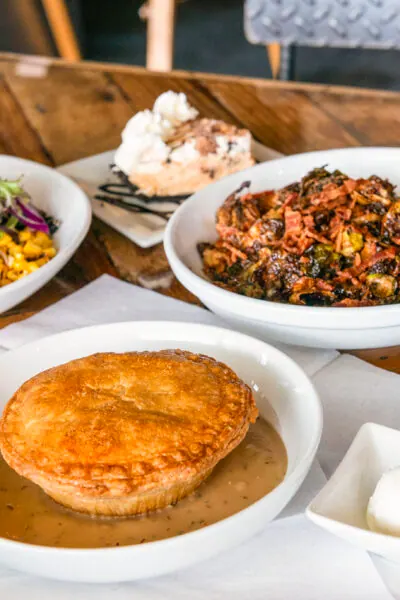

Walking into a pie shop for the first time can be oddly high stakes. You want something that shows off what the kitchen does best, but you also do not want to waste a visit on the safest possible choice. That is especially true at Pie Cafe Colorado Springs, where the menu tends to pull people in two directions at once. On one side, there is the comfort of classic fruit and cream pies. On the other, there is the temptation to branch out into richer slices, savory options, or specialty items that regulars quietly order without much fanfare.
For a first visit, the smartest move is not to chase the most unusual thing on the menu just because it sounds memorable. It is to order in a way that lets you understand the kitchen. A good pie shop reveals itself through crust, filling balance, sweetness level, portioning, and whether the menu feels like it was designed by people who actually care about texture. Those details matter more than a flashy flavor name.
If you are planning your first stop at pie cafe colorado springs, the best picks are the ones that give you a full read on the place. Some will tell you how the bakers handle fruit. Some will show whether they understand cream pies beyond sugar and whipped topping. Some simply make sense because they are the kind of thing a pie cafe should never get wrong. That is the lens here, not just popularity, but what each choice says about the menu as a whole.
Start with the slice that tests the kitchen
Every pie shop has one or two items that quietly function as a quality check. At Pie Cafe Colorado Springs, a classic fruit pie often plays that role. Apple is the obvious benchmark if it is available, because it exposes every shortcut. If the filling is gummy, over-spiced, or cloyingly sweet, you know the kitchen is leaning too hard on nostalgia and not enough on craft. If the apples still have shape, the spice stays in the background, and the crust holds its structure without turning tough, that is a strong sign you are in good hands.
First-time visitors sometimes overlook apple because it feels too familiar. That is usually a mistake. Familiar items are where standards become visible. A well-made apple slice has depth without drama. You should taste fruit first, then butter, then spice. The texture should land somewhere between tender and structured. If it collapses into a sweet puree, the balance is off. If it eats dry, the filling has not been handled properly. When a pie cafe nails apple, the rest of the dessert case becomes much easier to trust.
Cherry is another strong first-visit option if you want something brighter. Good cherry pie has a sharper edge than apple and can reveal whether the kitchen respects tartness or tries to bury it under sugar. That matters more than many people think. Fruit pies should not all taste like the same sweet filling in different colors. A cherry slice worth ordering should feel vivid and a little lively on the palate, not flat.
The cream pie choice that wins over most newcomers
If fruit pies show discipline, cream pies show finesse. They look easy from the display case. They are not. A proper cream pie depends on restraint, because excess is always the risk. Too much sweetness, too much topping, too much thickness in the filling, and the whole thing turns heavy after three bites.
For first-timers, a chocolate cream pie is often the safest and most satisfying entry point. It gives you a clear read on texture and flavor without demanding much guesswork. The filling should be smooth and full, not pudding-like in the boxed-mix sense. There should be enough cocoa presence to feel grounded, but not so much that the pie becomes dense and tiring. The crust matters just as much here. Cream pies live or die by contrast. You need that firmer, baked base against the softer filling.
Banana cream can be a better order if you like a dessert that feels a little lighter, even when it is technically rich. The best versions do not rely on artificial banana flavor or overripe fruit. They use the natural sweetness of the banana to support the custard rather than dominate it. When that balance is right, banana cream becomes one of the most approachable choices on the menu for someone who wants dessert but does not want to feel slowed down afterward.
There is a practical point here, too. Cream pies are often at their best earlier in the day, when they have had enough time to set but have not been sitting long enough for the textures to soften too much. If you are visiting during a busy afternoon window, ask what has been selling quickly. Staff members usually know which slices are at their peak.
Why seasonal pies are worth asking about
One of the easiest ways to have a better first visit is to ask what is seasonal instead of locking yourself into what you expected to order in the car. Pie shops with strong reputations often shine brightest when they lean into the moment, stone fruit in warmer months, richer spice-forward pies in fall, citrus or silkier cream options when people want something less dense after the holiday season.
Seasonal pies tend to reveal confidence. They suggest the cafe is not simply repeating the same safe menu year-round. They also can be the best way to avoid the standard first-timer trap, which is ordering the most obvious item and missing the one regulars quietly come back for. A peach pie in late summer, for example, can be spectacular when the fruit is ripe enough to carry itself. A pumpkin or pecan-style offering around the holidays can tell you whether the bakers understand sweetness control, which is harder than it sounds.
That said, seasonal does not automatically mean superior. Some seasonal pies are more about timing than craftsmanship. If a staff member describes one with unusual enthusiasm, that is useful information. If the recommendation sounds polite but vague, you may be better off sticking with a core menu item that the kitchen produces daily and knows inside out.
Savory pies deserve more attention than they get
Many first-time visitors hear “pie cafe” and focus entirely on dessert. That is understandable, but it can mean missing one of the most satisfying parts of the menu. A savory pie, pot pie, or quiche-style offering, if available, changes the whole experience. Instead of treating the cafe as a quick sugar stop, you get to see whether it works as a full meal destination.
Chicken pot pie is usually the best savory test. It sounds simple, almost old-fashioned, but that is exactly why it matters. Good pot pie requires a filling with actual definition. The sauce should be rich but not gluey. Vegetables should still taste like themselves. Chicken should be generous enough to justify the order. Most importantly, the crust cannot merely sit on top as decoration. It has to contribute texture and flavor from the first forkful to the last.
Savory pies also solve a common first-visit problem: ordering dessert on an empty stomach and then realizing you chose far too much sweetness. If you start with something savory and follow it with a slice to share, you get a broader sense of the menu and a better meal overall. That approach works especially well if you are visiting with someone else and want to compare styles without over-ordering.
Here is the simple strategy I recommend for a first visit when you want a fuller experience:
- Choose one benchmark pie, usually apple or cherry.
- Add one cream pie or seasonal slice to contrast it.
- If savory options are available, split one before dessert.
- Order coffee with the sweeter slice, not before.
- Share if you want range rather than volume.
That sequence sounds small, but it changes how the menu opens up. You stop chasing a single “best” item and start tasting what the cafe actually does well.
The underrated role of the crust
People talk about fillings because fillings are easy to describe. Crust is where skill shows up more quietly. At pie cafe colorado springs, your first few bites should tell you whether the kitchen understands the difference between flaky and dry, sturdy and hard, buttery and greasy. A strong crust holds up under fruit juices and cream fillings without turning soggy or brittle.
This matters more than first-timers sometimes expect. If you order a slice loaded with dramatic toppings or a particularly sweet filling, you might miss a weak crust at first. By the middle of the slice, though, it becomes obvious. The best pie shops keep the crust in balance with everything above it. It should not taste like a mere container.
If you are unsure what to pick, use this rule of thumb. Fruit pies test the bottom crust and structural integrity. Cream pies test the shell’s ability to stay crisp against moisture. Savory pies test whether the crust can support a meal without feeling too thick. Across all three, consistency is the real mark of quality.
What to order if you do not love very sweet desserts
Not everyone walks into a pie shop wanting sugar at full volume. If you prefer desserts with a little more restraint, your best options are usually fruit-based slices, nut-based pies where the sweetness is offset by richness, or cream pies with some bitterness in the flavor profile, such as chocolate.
Apple, cherry, and certain seasonal fruit pies often feel more balanced than caramel-heavy or custard-forward slices. Pecan, while delicious, can run quite sweet depending on the recipe, so it is better for those who truly enjoy intensity. Chocolate cream can split the difference nicely, especially with coffee, because the bitterness from the drink reins in the sweetness of the dessert.
This is where good staff guidance matters. A useful question is not “What is the best pie?” because that usually gets you the most popular answer. Ask instead, “Which slice is less sweet but still a house favorite?” That tends to produce a more thoughtful recommendation and saves you from defaulting to whatever sells on name recognition alone.
Pairings that improve the experience
A first visit often goes better when you treat pie the way you would treat wine, cheese, or even a composed entree. Pairing changes everything. Coffee is the obvious partner, but not every pie benefits equally from it. A bright fruit pie with black coffee creates sharp contrast and keeps the palate awake. A rich cream pie with a milder coffee can feel rounder and more comforting.
If tea is an option, it can work surprisingly well with fruit pies, especially those that lean tart. The lighter body of tea lets the fruit come through without crowding it. Savory pies often pair best with coffee only if the roast is not too aggressive. Otherwise, a simple cold drink can make more sense.
There is also the timing of the order. If you know you are sensitive to sweetness, do not let your drink arrive too late. Taking two or three bites of a rich slice before you have something to cut through it is how good pie starts feeling heavy. That is not the pie’s fault. It is just poor pacing.
Best bets for different kinds of first-time visitors
Not every newcomer walks in with the same goal. Some want the classic experience. Some want the local specialty. Some are there because friends insisted. Your best order depends on what kind of first visit you want.
For the traditionalist, go with a fruit pie first. Apple is the cleanest benchmark, cherry if you want more brightness. Add coffee and you will get a straightforward, reliable read on the cafe.
For the dessert enthusiast who wants richness, start with chocolate cream or banana cream. These choices usually deliver immediate satisfaction and showcase texture well. If the cafe is strong on cream pies, you will know almost instantly.
For the lunch crowd, a savory pie followed by a shared dessert is the better route. You leave with a sense of the place as a cafe, not just a bakery case.
For families, the smartest move is usually variety over individual slices. Children often gravitate toward whatever looks sweetest, while adults end up preferring the balanced options. Sharing a few different slices avoids disappointment and gives everyone a better chance of finding a favorite.
Small details that separate a good visit from a great one
Timing matters at pie shops more than people expect. Midday often gives you the widest selection. Late afternoon can be excellent if turnover is brisk, but it can also mean your first choice is gone. Early morning is ideal if you are after savory items or want first pick before popular slices sell down. These are not hard rules, just patterns that repeat in most places where the menu depends on daily baking.
Temperature matters, too. Some pies are better slightly chilled, especially cream pies. Others open up more at room temperature. If a fruit slice tastes muted straight from the case, give it a minute. Flavors often become clearer as the chill fades. This is one of those details frequent bakery visitors learn through repetition. A pie can be technically excellent and still seem flat if eaten too cold.
Portion size is worth thinking about. A large slice sounds appealing until you are halfway through something very rich. First-time visitors often order as though pie behaves like cake. It does not. Pie tends to be denser, more buttery, and more filling. Sharing is not a compromise. It is often the better tasting strategy.
The display case can mislead you, especially if one pie looks dramatically decorated. Do not assume the most visually impressive slice is the most satisfying. Some of the best pies are modest in appearance. They rely on balance rather than showmanship.
If you can only order one thing
If circumstances force you to pick a single slice and move on, choose the item that is most likely to represent the cafe at its core. In most pie-focused shops, that means a classic fruit pie first, a cream pie second, and a novelty or ultra-rich specialty pie third. The reason is simple. Core items expose technique. Specialty items can hide it.
My own first-choice framework is short:
- Apple if available and house-made that day.
- Cherry if you want something brighter and less expected.
- Chocolate cream if you are visiting specifically for dessert.
- Chicken pot pie if you want a meal and one signature bake.
- Any well-recommended seasonal pie if the staff lights up when describing it.
That last point matters. You can learn a lot from the face of the person behind the counter. There is a difference between a routine answer and a genuine recommendation. If someone says, “That peach pie https://www.google.com/maps?cid=443012866958988631 came out especially well today,” pay attention.
Making the most of a first visit to Pie Cafe Colorado Springs
The best first visit to Pie Cafe Colorado Springs is not about finding the single perfect slice. It is about reading the menu with a little more intention than most people do. Order one pie that tests fundamentals, one that speaks to your own taste, and if possible, one that stretches the experience beyond dessert. That could mean a savory pie, a seasonal special, or simply sharing two slices instead of committing to one.
Pie is comfort food, but good pie is also precise. It asks for judgment with sweetness, texture, crust, moisture, and contrast. When a cafe gets those details right, even the most familiar slice feels memorable. That is why the top menu picks for first-time visitors are not necessarily the boldest or the richest. They are the ones that let you taste the craft clearly.
If you arrive with that mindset, pie cafe colorado springs becomes easier to enjoy and easier to understand. Start with the classics, stay open to the seasonal case, do not ignore the savory side, and let the crust tell you the truth. That is usually where the best first impressions begin.
3.14 Pi Bar
5152 Centennial Blvd
Colorado Springs, CO 80919
(719) 314-6172
FAQ About pie cafe colorado springs
Does 3.14 Pi Bar serve sweet and savory pies?
Yes. The café serves savory pot pies and seasonal sweet pies made from scratch. Flavors can vary.
Can I order a whole pie to take home?
Yes. The café sells whole sweet pies to take home. Check the current menu for flavors and ordering options.
Does 3.14 Pi Bar offer take-and-bake pies?
Yes. The café offers prepared pies that you can bake at home. Check the current menu for available varieties.