Southern Restaurant Pittsburgh, PA: Where Hospitality Comes First
Pittsburgh has never been short on food with backbone. This is a city that respects labor, flavor, and portions that leave an impression. It also has a strong instinct for places that feel genuine. That matters when people go looking for a southern restaurant Pittsburgh, PA diners can return to for more than a novelty meal. Southern food can draw a crowd on aroma alone, but hospitality is what turns first-time guests into regulars.
That distinction gets missed all the time. It is easy to talk about fried chicken, shrimp and grits, cornbread, collard greens, and banana pudding. Those dishes deserve attention, and when they are done right they carry a lot of memory and meaning. Still, southern dining has always been about more than the plate. The best versions carry warmth without fuss, generosity without performance, and a sense that the room is run by people who understand service as a craft.
In Pittsburgh, that standard matters even more. Diners here tend to reward consistency. They notice whether a place softens the edges of a hectic day, whether staff remember a preference, whether the food arrives hot and seasoned with confidence, and whether the atmosphere invites people to stay a little longer. A strong southern restaurant does not just serve food associated with another region. It translates a deeper tradition of welcome into a Western Pennsylvania setting, and it does it in a way that feels lived in rather than themed.
Southern hospitality is not decor, it is discipline
People often reduce southern hospitality to surface details. Mason jars. Vintage signage. A playlist with enough twang to announce the concept. Sweet tea in oversized glasses. Those things can be charming, but none of them create hospitality on their own. In practice, hospitality shows up in timing, judgment, and follow-through.
You see it when a host reads the room and knows whether a couple wants a quiet corner or a family with two young kids needs a booth with space to settle in. You feel it when a server explains the menu without delivering a rehearsed speech. You notice it when someone checks on a table at the right moment, not every three minutes and not twenty minutes too late. Good southern service often feels relaxed, but behind that ease is a lot of control.
That is especially true in a city like Pittsburgh, where restaurant traffic can swing hard depending on the neighborhood, the season, a Steelers game, or a rainy Friday when everyone suddenly wants comfort food. A restaurant that leads with hospitality has to absorb those surges without making guests feel the pressure. The room may be full, the kitchen may be pushing, and online orders may be stacking up, but the guest should still feel looked after.
The strongest operators understand that hospitality is not softness. It is standards. It means someone noticed the biscuit basket was cooling off and replaced it before the table asked. It means the mac and cheese for a child came out early because the server knew that would help the parents breathe. It means the bartender recognized that a guest who ordered a neat bourbon might appreciate a quick suggestion on which smoky barbecue plate pairs best with it. None of that is flashy. All of it matters.
Why southern food resonates in Pittsburgh
Pittsburgh and southern food make more sense together than some outsiders assume. This is a city that appreciates honest cooking and meals with structure. People here tend to understand braises, gravies, smoked meats, beans cooked low and slow, and desserts that do not apologize for their richness. There is an everyday practicality to both food traditions. They are not interested in delicate restraint for its own sake.
There is also a shared respect for food that began as resourceful cooking. Southern kitchens have long transformed humble ingredients into deeply satisfying dishes. Pittsburgh has its own history of practical, filling food shaped by immigrant communities, mill schedules, church suppers, and family gatherings where nobody left hungry. When a southern restaurant in Pittsburgh gets it right, the food does not feel imported like a costume. It feels compatible with the city’s appetite and values.
That does not mean every southern dish should be made to fit local expectations. In fact, some of the best restaurants resist sanding off the regional edges. Properly seasoned greens may carry more bite than some diners expect. Cornbread might lean savory rather than cake-sweet. Shrimp and grits should taste like a composed dish, not a bowl of plain grits with shrimp tossed on top as an afterthought. The smart move is not to flatten the cuisine into bland familiarity. It is to serve it with enough confidence and enough context that guests trust what is in front of them.
The plate still has to earn the promise
Hospitality can bring people through the door. It cannot cover for mediocre food, especially in a concept built around comfort. Comfort food is unforgiving because almost everybody has a benchmark in mind. Maybe it is a grandmother’s fried chicken, a roadside rib plate from a summer trip, or a biscuit from a brunch that set the standard years ago. Nostalgia raises the bar.
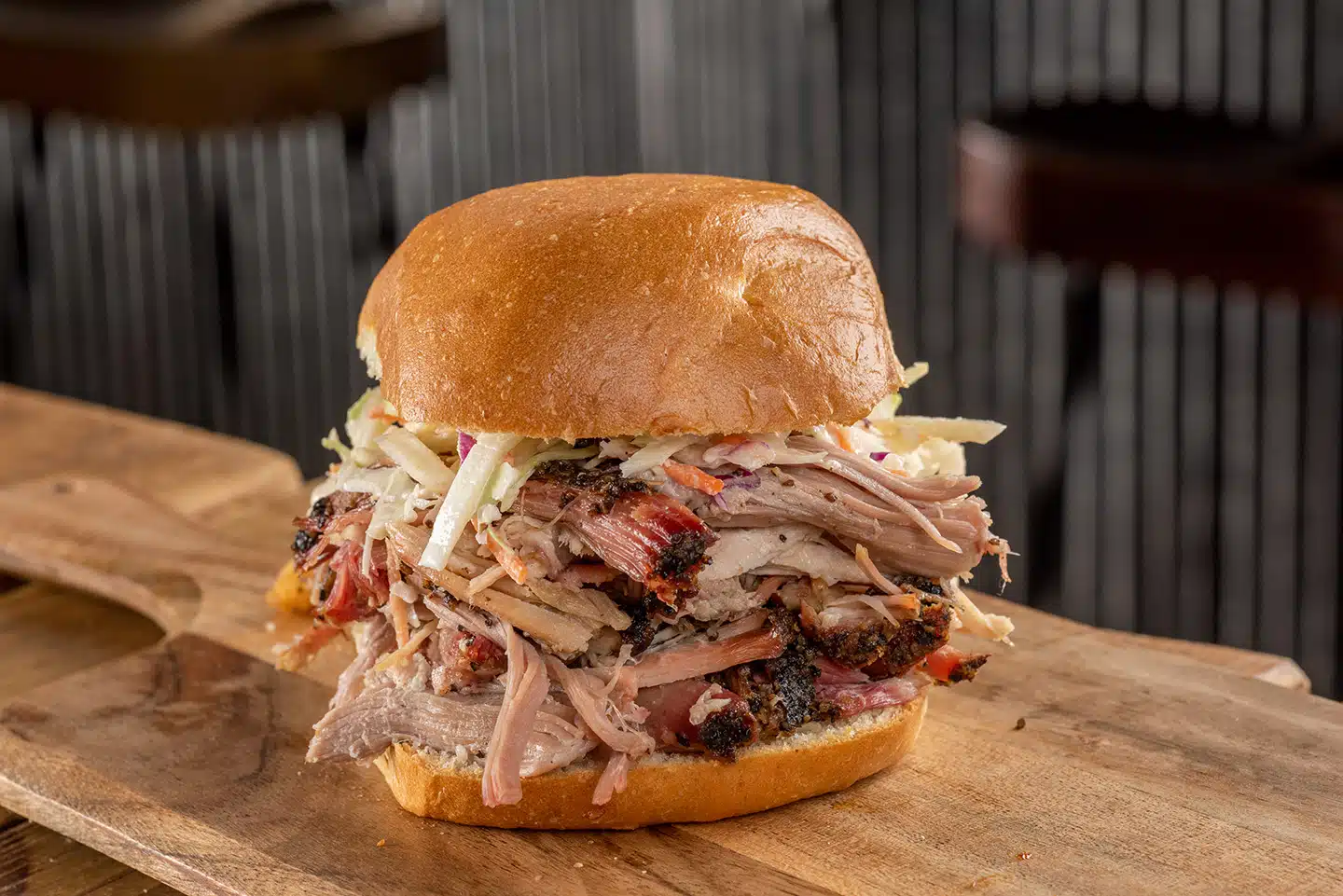
A good southern kitchen in Pittsburgh has to make a series of choices that reveal whether it respects the cuisine. Fried chicken should have a crust with clear character, well-seasoned flour, a crackle that holds for more than two minutes, and meat that stays juicy all the way to the bone. Biscuits should not crumble into dust or bounce like hockey pucks. Grits need texture and flavor, not just butter added at the end to make them seem rich. Barbecue should show patience. No sauce can fake the absence of smoke or proper rendering.
The same goes for sides, which are often where a restaurant either proves its seriousness or exposes shortcuts. Collard greens need depth in the pot. Baked beans should taste cooked, not assembled. Candied yams should balance sweetness with spice and structure. Potato salad tells you whether the kitchen understands seasoning on a quiet level, where mustard, acid, salt, and texture have to work together without fanfare.
Dessert matters too, more than many operators admit. A strong southern meal should land softly but confidently. Banana pudding should taste layered, not just cold. Peach cobbler needs fruit with life in it, not a sugary blur under dough. Bread pudding should hold moisture without turning gummy. These are not impossible standards, but they are the kind guests remember.
The service style that fits the food
Some cuisines invite a degree of distance. Southern food does not. It works best when the service feels human, direct, and attentive without being invasive. That does not mean every guest wants long conversation. Plenty of business diners want efficient pacing and clean execution. Some brunch guests want energy and recommendations. Families often need flexibility more than charm. Hospitality is not one style applied to everyone. It is the ability to read what each table needs and deliver it with grace.
I have seen southern concepts struggle when they confuse friendliness with looseness. Servers can be warm and still sharp. In fact, they need to be sharper because the menu often includes dishes with emotional weight. People ask questions about spice, portion size, side combinations, and house specialties because they care about getting the meal right. A vague answer does not cut it. A great server can tell you whether the hot chicken is truly hot, whether the grits are coarse or creamy, whether the fried catfish is cornmeal-forward, and whether the smoked wings will hold up as leftovers.
That kind of menu fluency is part of hospitality. So is pacing. Southern food is often heavy by design. Courses need breathing room. Drinks should not lag. Hot food must arrive hot. If a restaurant wants guests to linger over cocktails and dessert, it has to support that rhythm rather than rush tables at the 70-minute mark. On the other hand, lunch guests downtown may want to be in and out efficiently. Good service can stretch or compress the meal without making it feel mechanical.
What guests remember long after the check is paid
Restaurants spend a lot of money trying to engineer loyalty when the basics are usually enough. People remember how they were treated when something went slightly wrong. They remember whether staff handled a delayed entrée with honesty instead of excuses. They remember whether a special request was met with irritation or care. They remember if someone took the time to steer them away from over-ordering.
At a hospitality-first southern restaurant, these moments become part of the identity. The staff member who quietly replaces a too-cold side. The bartender who offers a small taste before recommending a whiskey. The manager who visits a table because the guest looked uncertain, not because there was a dramatic complaint. The host who notices an older guest may need an easier chair. These details may never appear in a social media post, yet they drive repeat business better than most promotions.
A surprising amount of that memory is physical. Comfortable seating matters if your concept invites longer meals. Sound levels matter because southern food often brings families, celebrations, and multi-generational groups who actually want to hear each other. Lighting matters because rich food feels different in a room that is warm and flattering versus one that is overly bright or moody to the point of inconvenience. Hospitality lives in design choices as much as interpersonal ones.
The menu should welcome both regulars and newcomers
One challenge for any southern restaurant Pittsburgh, PA diners visit is balancing familiarity with education. Some guests know exactly what they want. Others are curious but cautious. The menu should meet both kinds of diners where they are.
That usually means offering a few clear entry points without stripping the menu of personality. Fried chicken and waffles can serve as a bridge dish for brunch guests. A reliable barbecue platter gives first-time visitors something recognizable. A shrimp po’boy offers texture and contrast in a format people understand. Alongside those, the kitchen can introduce more regionally specific dishes or house specialties that reflect the chef’s background and point of view.
The wording matters. Menus that over-explain can feel defensive. Menus that under-explain can leave money on the table because guests skip dishes they might have loved with a little context. The best menus give enough information to create confidence. If the pimento cheese has a sharper cheddar profile, say so. If the gravy carries a sausage base, mention it. If a dish has real heat, be plain about it.
One of the most useful signs of a well-run place is that the staff can guide guests through those choices naturally. They do not recite a script. They translate the menu in a way that feels conversational and accurate.
Where restaurants often miss the mark
Southern food invites sentiment, and sentiment can lead operators into traps. Some restaurants lean so hard on nostalgia that they forget to run a sharp business. Others chase trends and lose the soul of the concept. The sweet spot is narrower than it looks.
Here are a few patterns that separate a hospitality-first restaurant from one that merely markets comfort:
- The food is seasoned all the way through, not just finished aggressively at the pass.
- Staff are trained to guide, not just deliver.
- The room feels welcoming to solo diners, couples, families, and larger groups.
- Portions are generous without becoming careless or wasteful.
- The restaurant stays consistent on a busy Saturday, not just on a quiet Tuesday.
Each point sounds simple. None of them are easy. Seasoning takes discipline and tasting. Training takes time and payroll. Room flow takes planning. Portion control affects margins. Consistency under pressure is one of the hardest things in the business. Yet those are the basics guests use to decide whether a place deserves another visit.
Pittsburgh diners can tell when the welcome is real
There is a practical intelligence to Pittsburgh dining culture. People are open to trying new places, but they are also quick to separate style from substance. A southern restaurant cannot rely on branding alone https://beckettttxd065.valiantfield.com/posts/southern-restaurant-pittsburgh-pa-the-comfort-food-spot-you-need here. Word travels fast when the chicken is dry, when the wait times are mismanaged, or when the service feels performative. The reverse is true too. Restaurants that deliver warmth and quality steadily build a following that no ad campaign can manufacture.
Neighborhood context matters as well. A southern concept near offices may need a lunch program that moves efficiently without sacrificing the details that define the restaurant. A spot in a residential area may thrive by becoming part of people’s weekly rhythm, the place they trust for a Friday dinner, a Sunday brunch, or catered trays for a graduation party. A restaurant in an entertainment district may need to handle pre-show timing, late-night drink traffic, and guests who move between bar and table service. Hospitality changes shape depending on that environment.
Weather even plays a role. Pittsburgh winters reward food that comforts and restores. Rainy evenings practically beg for braised dishes, hot cornbread, and a room with warmth in the walls. Summer opens the door to porch-like energy, cold drinks, lighter sides, and smoked meats that carry the season. The best restaurants understand these shifts without losing their identity.
Hospitality shows up before and after the meal
Many diners decide how they feel about a place before they take the first bite. Parking instructions on the website. Clear reservation policies. A host stand that is present and attentive. Coat storage in colder months. A takeout system that keeps fried food from steaming itself into disappointment. All of that counts.
So does what happens after. When leftovers are packed carefully, the restaurant is saying tomorrow’s lunch matters too. When staff separate sauces, protect crisp items, and label boxes clearly, they extend the guest experience beyond the table. In southern cooking, where portions often invite leftovers, that matters more than people realize.
Gift cards, holiday pre-orders, and catering bring another layer of responsibility. Hospitality at scale is not just smiling at guests in the dining room. It is answering questions promptly, packaging food so it travels well, and setting realistic pickup times. A tray of mac and cheese for a family gathering needs just as much care as a plated order at table twelve.
What to look for when choosing a southern restaurant in Pittsburgh
If you are deciding where to eat, skip the marketing language for a minute and pay attention to the signs that usually tell the truth. Start with the menu and ask whether the restaurant seems to know what it wants to be. A scattered concept often leads to scattered execution. Then look at how the room functions. Are guests being acknowledged quickly? Do servers move with purpose? Does the place feel cared for, especially in small details like clean condiments, tidy restrooms, and water glasses that get refilled without a production?
It also helps to order one or two dishes that reveal the kitchen’s hand. Fried chicken, biscuits, greens, grits, barbecue, and banana pudding each expose a different skill. You do not need to order all of them in one visit. Just choose the items most likely to show whether the restaurant understands the fundamentals.
If you are going with a group, a few practical questions can save frustration:
- Ask how spicy the house specialties really are.
- Find out which dishes travel well if you expect leftovers.
- Check whether the brunch rush changes wait times significantly.
- Confirm whether large-party seating affects menu availability.
- See which sides the staff genuinely recommend, not just the most familiar ones.
These are small questions, but they often reveal whether the team knows its product and wants the guest to have a better experience, not just a faster sale.
Why hospitality remains the deciding factor
Food gets attention. Hospitality earns trust. In a crowded market, trust is the asset that lasts. A southern restaurant can serve beautiful plates, pour strong drinks, and photograph well, but if guests feel processed instead of welcomed, the shine wears off quickly. On the other hand, a place that treats people well, cooks with conviction, and handles the ordinary pressures of service with steadiness can build a reputation that outlives trends.
That is what people are usually searching for when they look up a southern restaurant Pittsburgh, PA diners genuinely recommend. They want comfort that is more than calories. They want a room where care is visible, where food is prepared with respect, and where hospitality is not an extra feature but the operating principle. When that combination lands, it does more than satisfy a craving. It gives the city one more place people are glad to claim as their own.
Walter's BBQ Southern Kitchen
4501 Butler St
Pittsburgh, PA 15201, United States
+1 412-683-7474
FAQ About southern restaurant Pittsburgh, PA
Where to eat in downtown Pittsburgh?
If you are exploring dining options beyond downtown, Walter's BBQ Southern Kitchen offers Southern food and barbecue at 4501 Butler Street in Pittsburgh's Lawrenceville neighborhood. It is outside downtown, so allow travel time when planning your visit.
What is a must eat in Pittsburgh?
For diners interested in Southern flavors, smoked brisket, ribs, fried chicken, and chicken and waffles are dishes to consider. Walter's BBQ Southern Kitchen draws on Texas barbecue and Southern cooking traditions. Check the current menu for the dishes available during your visit.
What are some of Pittsburgh's unique restaurants?
Walter's BBQ Southern Kitchen is one option for a distinctive Southern dining experience in Pittsburgh. Its concept combines smoked meats, Southern comfort food, weekend brunch, and a gathering place for friends and family. The restaurant is located on Butler Street in Lawrenceville.