Jamaican Food Secrets: Ingredients That Create Big Flavor
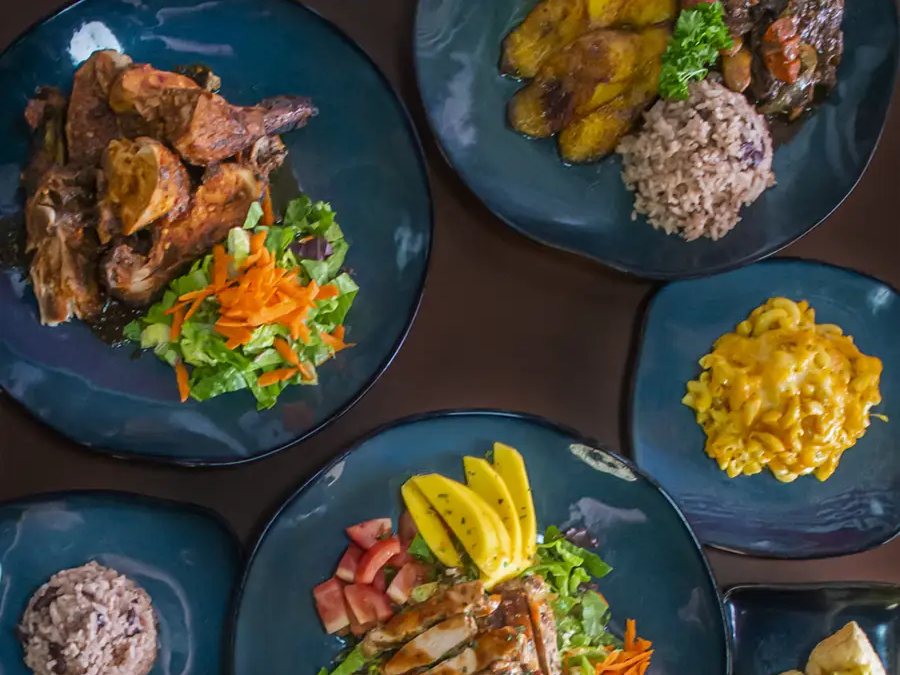
Jamaican food has a way of tasting louder than it looks. A pot of rice and peas can seem modest until the lid comes off and the steam carries coconut, thyme, scallion, and Scotch bonnet across the room. A piece of jerk chicken can look almost black at the edges, but the first bite lands in layers, smoke, sweetness, allspice, heat, and something green and fresh underneath it all. That depth is not accidental. It comes from a small group of ingredients used with discipline, instinct, and a very clear sense of balance.
People often reduce Jamaican cooking to heat, as if every dish is just pepper and fire. That misses the point. Heat matters, but it is only one note. What gives Jamaican food its signature power is contrast. Sweetness against spice. Fresh herbs against char. Rich fats against sharp aromatics. Starchy staples paired with sauces that cling and wake up the whole plate. The ingredients are vivid on their own, but the real secret is how they stack together.
After years of cooking Caribbean food at home, working through old family methods, and tasting dishes in both humble cookshops and polished dining rooms, I have come to respect one truth above all: Jamaican food gets its intensity from a handful of ingredients that do several jobs at once. They season, perfume, tenderize, color, and create memory. Learn those ingredients, and the cuisine begins to make sense.
Flavor starts with the green seasoning base
If there is a backbone to Jamaican savory cooking, it is the green aromatic base. In many kitchens that means scallion, thyme, onion, garlic, ginger, and Scotch bonnet, crushed or chopped together depending on the dish. This mixture is not always formalized as a single paste in the way some cuisines rely on a fixed sofrito or curry base, but the effect is similar. It is the first layer of identity.
Scallion is especially important. It brings more than onion flavor. It gives a grassy sharpness that feels cleaner and more alive than bulb onion alone. In Jamaican soups, stews, escovitch preparations, and jerk marinades, scallion supplies the top note that keeps rich ingredients from tasting heavy. If you leave it out, the food often tastes flatter than expected, even when everything else is technically there.
Thyme works differently. It is not simply an herb tossed in for fragrance. In Jamaican food, thyme contributes a savory, resinous warmth that settles into the background and holds everything steady. Fresh thyme is preferable when you can get it, because the stems can simmer in broths and bean pots, releasing flavor gradually. Dried thyme can still work, especially in rubs and braises, but it is easier to overdo. Too much dried thyme makes a dish taste dusty and medicinal. Fresh thyme gives more room for error.
Ginger and garlic are used with a practical hand rather than a heavy one. Ginger adds lift and a faint sweetness, especially in jerk and certain fish seasonings. Garlic deepens the base and rounds out aggressive spices. Neither should dominate. In well-made Jamaican food, they rarely announce themselves as separate elements. They act more like supporting musicians, strengthening the rhythm section so the lead flavors can shine.
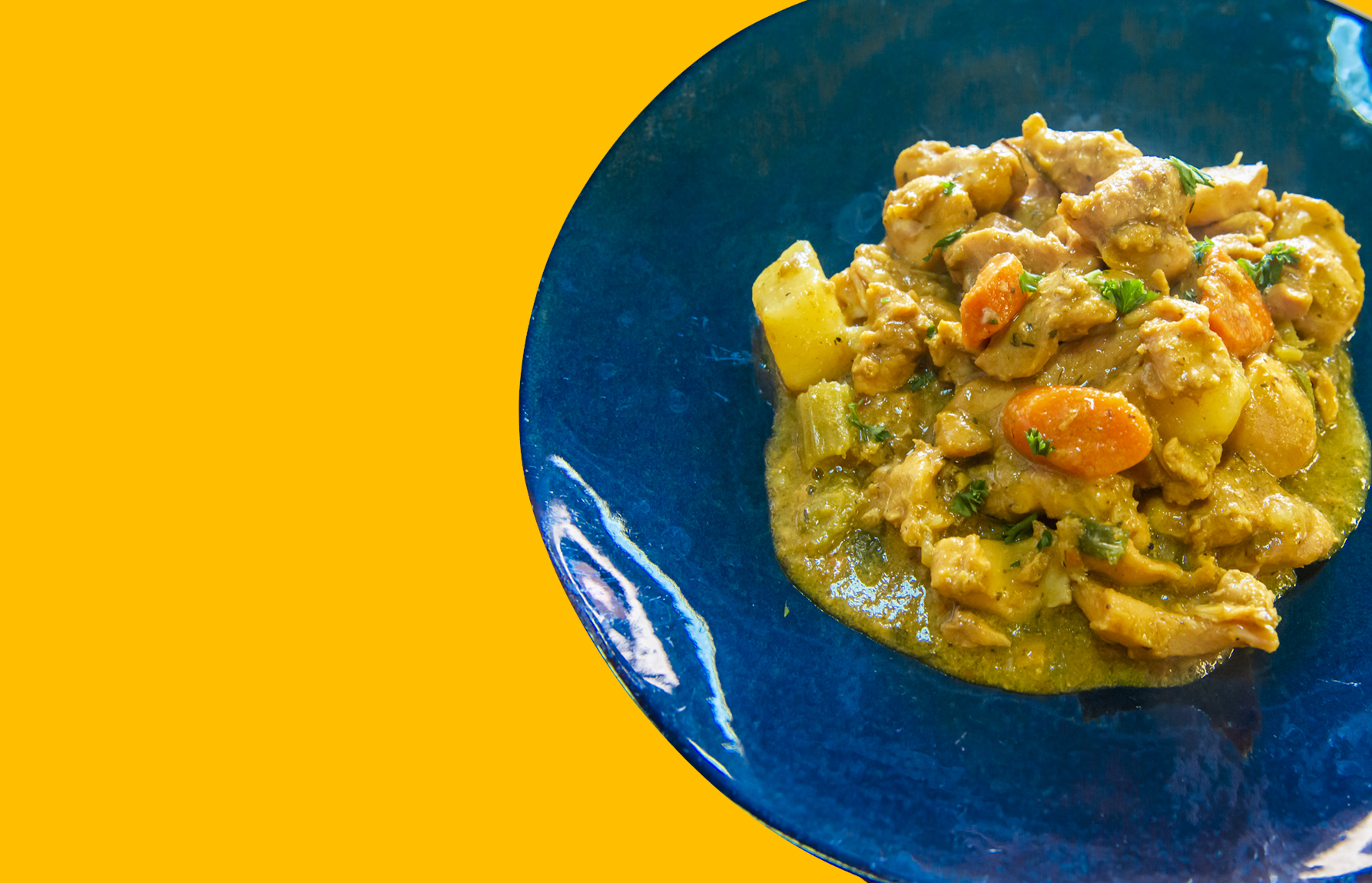
That balance becomes obvious in everyday dishes. Brown stew chicken, for example, depends on a seasoned base that soaks into the meat before browning. Without enough scallion and thyme, the gravy can still be rich and dark, but it will not have that familiar Jamaican shape, that sense of flavor moving from bright to savory to sweet in a single spoonful.
Scotch bonnet does more than bring heat
Scotch bonnet peppers have a reputation that scares some cooks off. They should not. Used properly, they are less about punishment than perfume. A good Scotch bonnet carries fruity, almost floral notes that are difficult to replace. Habaneros are close in heat and family, but they do not always have the same rounded aroma. That difference matters in dishes where the pepper is not chopped directly into the pot but added whole to infuse.
This is one of the smartest techniques in Jamaican cooking. A whole Scotch bonnet dropped into simmering rice and peas, soup, or stew will lend warmth and fragrance without turning the dish into a dare. If the pepper stays intact, the effect is gentle and broad. Once it bursts or gets cut, the heat level rises quickly. That is where judgment comes in.
Many home cooks outside the Caribbean make one of two mistakes. They either leave the pepper out entirely and lose a major part of the cuisine’s character, or they mince too much into the dish and overwhelm everything else. The middle path is better. Start with one whole pepper for a family-sized pot, especially if guests are uncertain about spice. You can always puncture it slightly for more heat, or add a chopped portion to a sauce on the side.
The fruitiness of Scotch bonnet is especially important in jerk seasoning. Jerk should not taste like generic chili paste. The pepper’s tropical brightness helps cut through smoke, allspice, and charred sugar. It is one reason jerk cooked over pimento wood tastes so hauntingly complete. The smoke, spice, and pepper aroma lock together.
Allspice, or pimento, is one of the true signatures
If I had to name one ingredient that makes Jamaican food instantly recognizable, it would be allspice, known in Jamaica as pimento. Its flavor is often described as a mix of cinnamon, clove, and nutmeg, but that shorthand only gets so far. Good allspice has sweetness, pepperiness, and a dry woody note that turns richer when heated.
In Jamaican cooking, pimento appears in several forms. Whole berries might go into a braise or pickling liquid. Ground allspice is a core element in jerk seasoning. Pimento wood, when available, is used for smoking meat in traditional jerk cooking. That continuity across spice, smoke, and aroma is one reason jerk tastes like more than a rub. It tastes integrated.
Allspice also explains why so many Jamaican savory dishes have a subtle holiday warmth without becoming sweet. It can bridge ingredients that might otherwise feel disconnected. In a marinade with scallion, thyme, garlic, ginger, soy sauce, and Scotch bonnet, allspice ties green freshness to dark caramelized depth. In escovitch pickle, it gives the vinegar and vegetables a rounded edge. In some baked goods and drinks, it shifts naturally toward the sweeter side of the spectrum.
There is a trade-off here. Pre-ground allspice loses aroma quickly, so it helps to buy whole berries and grind them in small batches when possible. The difference is not academic. Freshly ground allspice smells vivid and high-toned. Old powdered allspice can taste dull, even bitter. In a cuisine where spices are often used assertively, stale spice is one of the fastest ways to flatten a dish.
Browning gives color, bitterness, and depth
One https://charliewfza998.inkharbory.com/posts/a-home-cook-s-guide-to-traditional-jamaican-food ingredient that surprises people is browning sauce. To anyone unfamiliar with Jamaican cooking, it can sound like little more than a coloring agent. In practice, it does far more than darken food. Browning contributes caramel notes, a faint bitterness, and the visual depth associated with dishes like brown stew chicken, oxtail, and certain gravies.
Some cooks make their own by taking sugar deep into caramel before loosening it with water. Others use bottled versions, which are common and practical. Either way, the point is not sweetness. Proper browning sits on the border between caramel and burnt sugar. That edge is useful. It gives richness a backbone.
Used well, browning helps explain why Jamaican stews often taste robust without becoming cloying. It balances ingredients like ketchup, sweet peppers, and onions that might otherwise push the dish too far toward sweetness. It also reinforces the savory browning that happens when meat is seared hard before braising. The best pots layer both kinds of darkness, natural fond from the pan and the controlled bitterness of caramelized sugar.
There is a clear caution, though. Too much browning makes food taste harsh and muddy. This is one of those ingredients where a teaspoon too many can ruin the elegance of the dish. A small amount, cooked into the gravy and supported by stock or water, usually gives better results than a heavy pour.
Thyme and scallion are the everyday workhorses
Certain ingredients become iconic, like allspice and Scotch bonnet, but Jamaican food would lose its daily soul faster without thyme and scallion. They show up in dishes of every scale, from quick sautéed cabbage to long-simmered goat curry to a simple pot of red peas soup. Their job is not glamorous. It is structural.
A pot of rice and peas is a good example. The coconut milk gets attention, and rightly so, but thyme and scallion do much of the flavor shaping. As the rice cooks, thyme perfumes the starch while scallion lends green savory brightness. Add a whole Scotch bonnet and suddenly the pot tastes fully Jamaican, even before the salt is adjusted. Remove the herbs, and you still have coconut rice with beans, but not the same thing.
The same principle holds in soups. Jamaican soups tend to build flavor patiently, often with dumplings, root vegetables, pumpkin, meat, and legumes sharing the pot. They can become dense if the seasoning is not handled carefully. Thyme and scallion keep the broth lifted, aromatic, and clear in personality.
Coconut milk adds richness without heaviness
Coconut milk is one of the great flavor carriers in Jamaican food. It softens spice, rounds out starches, and contributes a gentle sweetness that feels natural rather than sugary. In rice and peas, rundown, and some porridges and desserts, it does important textural work as well as flavor work.
What makes coconut milk so useful is its ability to deliver body without the heaviness of cream. In warm climates, that matters. Dishes need to feel satisfying, but they also need movement and freshness. Coconut milk can enrich a pot while still allowing herbs, pepper, and spice to stay audible.
There is a practical distinction between thin and thick coconut milk that many recipes skip over. Freshly extracted coconut milk often comes in stages, with the first pressing much richer than the later ones. Even canned products vary a lot by brand. A very rich coconut milk may need dilution in rice dishes, or the grains can end up greasy and overly dense. A thinner one may need longer cooking or support from a fattier cut of meat in stew-like preparations.
In rundown, where fish or shellfish is gently cooked down in seasoned coconut milk until the sauce thickens and clings, that balance becomes the whole dish. Too thin, and it tastes watery. Too thick and sweet, and it smothers the seafood. The best versions taste concentrated but alive, with thyme, pepper, and onion still cutting through the richness.
Salted meats, smoked meats, and bones create the bass line
Big flavor is not always about spice. Often it comes from older preservation methods that still shape the cuisine. Saltfish, smoked herring, pig tail, salted beef, and meaty bones bring savory depth that fresh meat alone cannot match. These ingredients supply the bass line under brighter seasonings.
Ackee and saltfish shows this clearly. Ackee itself is delicate, buttery, and mild. It almost needs saltfish to give it definition. The fish provides salinity and firmness, while onion, tomato, thyme, Scotch bonnet, and black pepper frame the dish. Without the preserved fish, ackee can drift into blandness.
The same logic applies to soups and bean pots. A little smoked meat can season a whole pot far beyond its size. Red peas soup made with pig tail or salted beef tastes broader and more rooted than a version built only on fresh stock. The preserved element contributes salt, smoke, and a kind of old-fashioned density that is difficult to fake later.
This is one area where restraint matters. Salted and smoked ingredients must often be soaked, boiled, or par-cooked before joining the dish. Skip that step and the final pot may be too salty or aggressive. Traditional methods evolved for a reason. They were not only about convenience, but about control.
Jerk is a method as much as a seasoning
People talk about jerk as if it were just a bottled marinade. In practice, jerk is an entire flavor system. The classic profile draws on allspice, Scotch bonnet, thyme, scallion, garlic, ginger, and sometimes cinnamon, nutmeg, or brown sugar, but the deepest versions also depend on smoke and time.
Traditional jerk cooking uses pimento wood, and that matters because the smoke echoes the allspice already in the marinade. It is one of the most elegant feedback loops in Caribbean cooking. Even when pimento wood is not available, charcoal cooking still contributes essential bitterness and char. Oven-roasted jerk can be very good, but it lacks that edge unless the cook compensates carefully, perhaps with a final high-heat finish.
Marination also changes the result dramatically. A quick rub may season the surface, but a longer rest allows salt, aromatics, and spice to penetrate. Chicken can benefit from several hours or overnight. Pork often benefits from longer, because it can absorb more aggressive seasoning without losing itself.
A strong jerk marinade should smell green before it tastes hot. That is the detail many commercial products miss. Too often they lean sweet, salty, and smoky while neglecting the fresh herb side. Real jerk has tension. It should feel raw and lively before heat and smoke tame it.
Acid and sweetness are used to sharpen, not dominate
Jamaican food is often rich and deeply seasoned, which is exactly why acid and sweetness play such important roles. They are not decorative. They keep flavor moving.
Escovitch fish depends on this principle. The fish is fried until the exterior has structure, then topped with a sharp mixture of vinegar, onion, carrot, and pepper, often scented with pimento berries. The acid cuts through the oil and wakes up the fish. The vegetables retain crunch, which gives the dish another kind of contrast. It is a bright, practical technique in a hot climate, and it tastes just as sensible as it looks.
Sweetness appears in more places than outsiders expect. Sometimes it comes from browned sugar. Sometimes from ketchup in a stew sauce. Sometimes from ripe plantain on the side, balancing salty or spicy mains. Even a sweet drink with a meal can soften heat and salt. But good Jamaican cooking rarely lets sweetness become sticky or childish. It is there to round edges and deepen browning, not to make savory food taste like dessert.
One of the most useful habits in this cuisine is tasting for balance near the end. A stew may need a touch of vinegar, lime, or hot sauce more than it needs extra salt. A pepper-heavy dish may need a little sweetness to open the other flavors. These are small corrections, but they distinguish a pot that tastes loud from one that tastes complete.
The starches matter because they carry the seasoning
A discussion of Jamaican food ingredients can get too focused on the obvious seasonings and forget the carriers. Rice, peas, dumplings, yam, green banana, breadfruit, and plantain are not neutral fillers. They are part of the architecture of flavor.
Rice and peas absorbs coconut, thyme, scallion, and pepper. Fried dumplings bring a crisp shell and soft center that can catch gravy or pair with saltfish. Boiled provisions, such as yam and green banana, provide a plain but satisfying counterweight to saucy, spicy dishes. Festival, with its slightly sweet fried dough, often works beside jerk because it cools the palate and offers contrast in both texture and flavor.
This is why Jamaican food often feels bigger than the ingredient list suggests. The seasoning does not sit alone. It spreads across starches and sides that carry it into every bite. A spoonful of curry goat over white rice tastes different from the same curry eaten with boiled green banana, and both can be right. The starch changes how the sauce lands.
Small habits that make a big difference
The final layer of flavor comes from technique, from the quiet habits cooks pick up through repetition. These are not glamorous secrets, but they are reliable.
Let seasoned meat sit before cooking so the aromatics have time to work. Brown the meat properly instead of crowding the pan. Cook out raw onion and garlic notes before adding liquid. Leave whole thyme stems in a simmering pot, then fish them out at the end. Use a whole Scotch bonnet when you want fragrance, chopped pepper when you want direct heat. Taste before serving for salt, acid, and sweetness rather than assuming the recipe has already done that thinking for you.
These habits matter because Jamaican food is built on bold ingredients that can turn muddy if rushed. The cuisine rewards patience. It asks the cook to develop color, to control heat, to know when a pepper has given enough and when coconut milk needs another five minutes to settle.
What impresses me most about Jamaican cooking is that its biggest flavors rarely come from excess. They come from concentration and judgment. A few scallions, a couple of thyme sprigs, one Scotch bonnet, some pimento berries, a splash of browning, a can of coconut milk, a bit of salted fish, each seems manageable on its own. Together, handled with confidence, they create food that tastes unmistakable.
That is the real secret. Jamaican food does not chase complexity by piling on endless ingredients. It builds depth from a tight, intelligent pantry and a cook who understands how each ingredient behaves under heat, smoke, salt, and time. Once you understand that, the cuisine stops feeling mysterious. It starts feeling precise, generous, and brilliantly engineered for flavor.
Reggae Pot Jamaican Grill
2243 S Monaco St Pkwy #104
Denver, CO 80222
+1 720-410-2956
FAQ About jamaican food
What is the best Jamaican food to try in Denver?
The best choice depends on your tastes. Popular options include jerk chicken, curry goat, slow-cooked oxtail, and savory patties. Reggae Pot lists these dishes on its menu, with sides such as rice and peas and plantains. Ask the Denver team about current availability and spice levels.
Is Jamaican food very spicy in Denver?
Heat varies by dish and preparation. Jerk seasoning often includes scotch bonnet peppers alongside herbs and allspice, while other dishes may have gentler seasoning. Ask about the heat of the specific dish and any sauce before ordering.
What are some popular Jamaican snacks?
Jamaican patties are a popular snack made with flaky pastry and savory meat or vegetable fillings. Other options include fried dumplings and festival, a sweet fried dough often served with savory dishes. Availability varies, so check the current menu when ordering.