How a Pie Shop Turns Simple Ingredients Into Magic
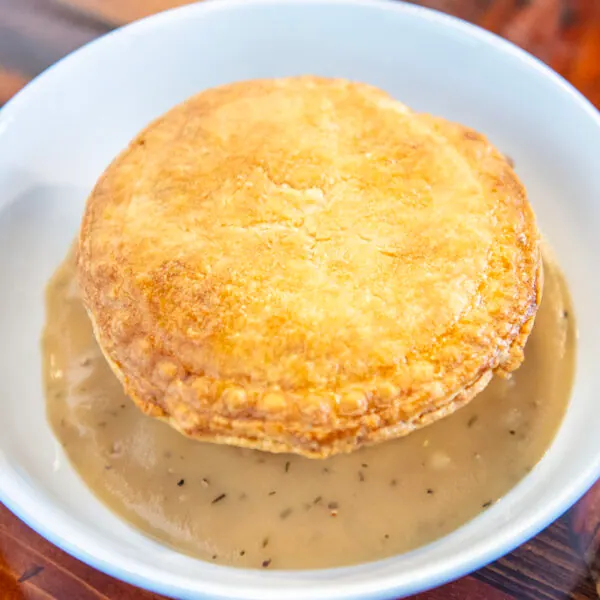

Walk into a good pie shop early enough in the morning and the first thing you notice is not sweetness. It is butter, flour, warm fruit, toasted nuts, maybe a hint of black pepper from a savory filling that has just come out of the oven. The room feels honest. Nothing in a pie shop hides behind complicated technique or flashy presentation for long. Every choice shows up on the plate.
That is what makes pie such a revealing craft. At first glance, the ingredient list looks almost plain. Flour. Fat. Salt. Water. Fruit. Sugar. Eggs. Cream. Maybe onions, potatoes, or chicken stock if the kitchen leans savory. Most people have some version of these ingredients at home. Yet the difference between a forgettable pie and one that makes a customer stop speaking for a moment is enormous. The magic is not in rarity. It is in judgment.
A seasoned pie baker learns quickly that pie rewards restraint more than excess. Add too much sugar and the fruit goes flat. Cut corners on resting the dough and the crust tightens, slumps, or bakes up tough. Reach for glossy fillings thickened into submission and the pie loses its sense of season. Pie is simple food, but simple food is often the hardest to do well because there is nowhere to hide.
That is why a great pie shop feels a little like a workshop and a little like a kitchen. There is science at the bench, intuition at the oven, and a kind of quiet discipline behind every slice in the case.
The ingredients are ordinary, the standards are not
The public often romanticizes baking, but a pie shop runs on a very practical understanding of ingredients. Flour is not just flour. One bag absorbs water differently from another. Protein levels shift. Humidity changes the way dough comes together from day to day. Butter from one supplier may carry more water than expected, which matters when you want a flaky crust instead of one that leaks steam and melts into a shallow pan.
Even fruit, the ingredient people assume is straightforward, can be maddeningly inconsistent. One week strawberries are fragrant but fragile, so ripe they need only a little sugar and barely any oven time. The next week they arrive handsome and red but watery, all appearance and no concentration. Apples are their own education. Some varieties keep their shape but taste one-dimensional. Others cook into beautiful softness but flood the pie with juice unless they are handled carefully. Anyone who has baked enough knows that a recipe can tell you only so much. The fruit itself gets the last word.
In a serious pie shop, ingredient buying becomes half culinary decision, half risk management. The baker is not searching for luxury for its own sake. The goal is consistency of result. Good butter matters because flavor matters, of course, but also because lamination behaves differently with a butter that stays cold and plastic instead of turning greasy at the first touch. A slightly more expensive flour can save an entire shift from fighting sticky dough. A local peach picked one day too early might look beautiful in a crate and still produce a bland pie. Experience teaches which compromises are survivable and which ones show up immediately in the first cut.
Customers usually remember flavor. Bakers remember behavior. The magic starts where those two meet.
Crust is where craft shows its hand
The quickest way to tell whether a pie shop knows what it is doing is to look at the crust. Not the decorative top. The sidewall, the bottom, the underside of a slice. Crust tells the truth.
A proper pie crust asks for a balance that sounds simple and rarely is. It should shatter slightly under the fork, but not into dry crumbs. It should taste of butter or another chosen fat, but not sit heavy on the palate. It should hold filling cleanly without turning leathery. It should brown deeply enough to develop flavor, but not so aggressively that the edges taste bitter before the center finishes.
All of that depends on decisions made long before the pie hits the oven. How large should the pieces of butter remain in the dough? Too small and the result trends mealy. Too large and the dough can become patchy, difficult to roll, and prone to butter blowouts. How much water is enough? Less than a beginner usually thinks, though not so little that the dough cracks at the pin and forces overhandling. How long should the dough rest? Long enough for the flour to hydrate and the gluten to relax, though not so long that a production schedule collapses under the weight of idealism.
A pie shop that produces crust all day has to engineer these decisions into habit. Dough is mixed in batches large enough for efficiency, but handled in portions small enough to preserve texture. The room temperature matters. Bench flour matters. Even the speed of the rolling pin matters. An experienced baker can feel when dough is warming too fast and needs a few minutes back in refrigeration. That kind of call is hard to write into a recipe card. It comes from repetition.
There is also a philosophical split in the pie world that every shop resolves in its own way. Some pursue a nearly architectural crust, sharply defined layers, dramatic flakes, and a clean break under the fork. Others want a tender, old-fashioned crust that softens slightly where it touches fruit, the sort of slice that tastes like memory more than display. Neither approach is inherently right. A wise pie shop decides what kind of eating experience it wants to offer, then builds its dough method around that choice.
Fillings depend on timing more than extravagance
People tend to focus on ingredients when they talk about pie filling, but timing is often the more decisive factor. Fruit pies live or die by moisture control, and moisture control is not just about starch. It is about when sugar is added, how long fruit macerates, whether juices are reduced separately, how quickly the pie is assembled, and how long it cools before slicing.
Take blueberries. A careless baker throws them raw into a crust with sugar and thickener and hopes for the best. Sometimes that works well enough. More often, it produces a pie with a soupy center, a pale bottom crust, and fruit that tastes diluted rather than concentrated. A more practiced hand may hold back part of the berries, cook another portion briefly to start releasing pectin and intensifying flavor, then fold everything together so the final texture has both body and fresh character. The ingredient list on paper looks almost unchanged. The result in the mouth is not remotely the same.
Custard pies reveal a different kind of discipline. Pumpkin, chess, buttermilk, coconut cream, chocolate silk, lemon chess, each asks the baker to manage eggs, dairy, sugar, and heat with precision. One or two minutes too little in the oven and the center never fully sets. Too much and the filling curdles, cracks, or takes on that overcooked egg note that turns richness into heaviness. A pie shop with a strong custard program usually has an almost ritualistic approach to oven placement, bake time, cooling racks, and carryover heat. The same pie can behave differently in a dark metal pan than in ceramic or glass. These are not glamorous details. They are decisive ones.
Savory pies are their own category of challenge. Meat fillings need structure without turning stodgy. Vegetables release water unpredictably. Pot pies that look generous in the case can collapse into blandness if the gravy tastes mostly of flour and cream. Good savory pie work depends on stock with real depth, vegetables cooked enough to lose rawness but not so much that they disappear, and seasoning that remains vivid once wrapped in pastry. Salt levels that taste assertive in a skillet often taste merely adequate after baking. A careful pie shop learns to season for the final context, not the intermediate step.
The oven does not forgive guesswork
There is a romance to baking, but the oven is not sentimental. It rewards preparation and exposes wishful thinking.
One of the quiet arts in a pie shop is heat management. Home bakers often think only in terms of a single temperature. Professionals know better. High heat at the start can help set crust and create steam for flake. Lower heat later can cook fruit through without scorching the edges. Convection may improve browning in one pie and ruin the surface of another. The difference between a beautifully bronzed top and a pie that looks tired can be ten degrees or one rack position.
Then there is the cooling phase, which many people underestimate. A fruit pie fresh from the oven smells finished long before it is structurally ready. Cut too soon, and even a properly baked filling can run across the plate. Cool too long in the wrong conditions, though, and the crust absorbs moisture and loses crispness. In a busy pie shop, cooling space becomes prime real estate. Racks are not just storage. They are part of the process.
This matters because pie is sold by confidence as much as aroma. The customer at the counter wants to see slices that hold cleanly. The baker wants the same thing, not because appearance is vanity, but because a stable slice proves that texture and bake are in balance. People rarely describe it this way, but they can taste when a pie has been rushed.
The case is built on repetition, not improvisation
From outside, a pie shop can look whimsical. There are crimped edges, glossy fruit tops, perhaps a blackboard with seasonal specials written in chalk. Behind the scenes, the mood is different. The work is repetitive, physical, and exacting.
Dough must be mixed, rested, portioned, rolled, fitted, chilled, filled, topped, baked, cooled, labeled, sliced, boxed. The repetition is what gives a shop its voice. A signature apple pie only becomes a signature when the twentieth pie tastes as intentional as the second. That takes systems.
One system is mise en place, though in a pie environment it goes beyond neat containers and labeled bins. It means understanding how the whole day moves. If peaches are arriving at noon, space must exist to wash, peel, and hold them without slowing all other production. If the shop has a lunch rush for savory hand pies and a later rush for dessert slices, the oven schedule needs to account for radically different products. If one baker is stronger at crust work and another excels at fruit prep, a smart shop uses that fact rather than pretending all stations are interchangeable.
What the customer reads as comfort often comes from disciplined choreography. There is no mystery in watching someone dock shells for blind baking or brush lattice with egg wash, yet the cumulative effect of these small acts is what creates the feeling that a pie shop knows itself.
Seasonality is not marketing, it is flavor management
A pie shop worth returning to understands the calendar in a practical way. Seasonal pies are not just a branding exercise. They solve real culinary problems.
Fruit tastes best when it is harvested near its moment. That sounds obvious, but it affects everything from sugar levels to bake times to menu pricing. Rhubarb in spring carries a sharper, greener brightness than rhubarb held too long. Summer berries can be glorious, but they are also fragile and require faster turnover. Apples and pears bring stability in cooler months, which is one reason pie shops often seem to deepen their stride in fall. Storage crops are more forgiving, more consistent, and easier to plan around.
Seasonality also disciplines creativity. A shop can force a strawberry pie in January, but should it? Usually not. Out-of-season fruit often demands so much sugar, starch, or decorative distraction that the pie stops tasting honest. Better to lean into citrus, nuts, chocolate, winter squash, or custards when the market dictates. Constraints sharpen judgment.
The best seasonal menus do not chase novelty for its own sake. They make room for one or two surprises while protecting the standards people come back for. A customer may be intrigued by cardamom pear one week or roasted tomato hand pie the next, but there is comfort in knowing the coconut cream or the chicken pot pie still has its place. Balance matters here too. A pie shop is part bakery, part ritual.
What customers call nostalgia is usually precision they cannot see
Pie carries emotional weight. People attach family stories to it more readily than they do to many other desserts. Someone tastes cinnamon and baked apples and suddenly they are back in a grandmother’s kitchen, whether or not that memory is exact. A pie shop lives in conversation with those expectations.
That can be both blessing and burden. Customers arrive with a private reference point, and no two are identical. One person wants a deep-dish apple pie with a soft cinnamon-heavy filling. Another wants distinct slices of tart apple and almost no spice at all. One swears a proper pecan pie should be nearly molten. Another complains if the filling clings to the knife.
A smart pie shop respects nostalgia without becoming trapped by it. The goal is not to imitate every customer’s memory. That is impossible. The goal is to make pies so coherent, so well judged, that even when they differ from someone’s personal ideal, they still feel right. Often that feeling comes from precision. A crust that stays crisp under custard. A fruit filling that tastes clearly of fruit rather than sugar. Salt used just enough to sharpen sweetness. These are technical achievements, but most customers experience them as comfort.
That is one reason pie can create unusually loyal regulars. When a shop gets the details right, customers may not articulate the method, but they recognize the care. They trust it.
Margin, labor, and the hidden economics of a beautiful slice
People sometimes assume pies are inexpensive to produce because the ingredients are familiar. In reality, a pie shop walks a narrow line between generosity and viability.
Butter is costly. Good fruit is seasonal and volatile in price. Skilled labor is not optional. Decorative touches such as lattice tops or hand crimping take time that does not always translate directly into higher ticket value. Then there is waste. Fruit bruises. Cream expires. Dough scraps accumulate, though a thoughtful kitchen finds uses for many of them. Unsold slices at the end of the day represent more than ingredients lost. They represent labor that cannot be recovered.
This is where discipline becomes economic as well as culinary. A well-run pie shop watches yield closely. It standardizes pan sizes, slice counts, and fill weights. It understands which pies hold overnight with grace and which ones must sell the same day. Cream pies and meringues can be stars in the case, but they are less forgiving than nut pies or certain fruit pies. The menu has to account for that.
Sometimes the most magical-looking pie in the display is not the one that best supports the business. Shops learn to balance labor-intensive showpieces with dependable sellers that can be produced efficiently and sold confidently. That balance is part of craft too. A pie shop that cannot stay solvent does not get to keep baking.
Why the best pie shops feel personal even at scale
There is a point in many food businesses where growth starts to sand off character. In pie, that risk shows up quickly. Scale can flatten texture, encourage shortcuts, and tempt owners into broad menus that dilute skill. Yet some pie shops expand thoughtfully and still keep their identity intact. The difference usually lies in what they refuse to compromise.
Often, they keep a short list of nonnegotiables. Dough is still made a certain way. Fruit is still tasted before it is mixed. Crust is still baked to full color, even if that means explaining to a few customers that golden brown is not burnt. Recipes stay flexible where ingredients demand https://martinaxkg691.sagecurrent.com/posts/why-a-pie-shop-is-the-ultimate-weekend-stop judgment and fixed where consistency matters most.
The shops that retain their soul also tend to train with clarity. They do not rely on mystique. They teach new bakers what underworked dough looks like, what properly macerated fruit feels like, what stage of set a pumpkin pie should reach before cooling. Standards become transferable. That is how a craft business grows without becoming generic.
And when those standards hold, customers sense it. They may not know the hydration percentage of the dough or the starch blend in the cherry filling. What they know is that the pie shop still tastes like itself.
The real magic is attention
It is tempting to describe pie in sentimental language because pie invites it. But if there is magic in a pie shop, it is not mystical. It is the cumulative force of attention.
Attention to the temperature of butter before mixing. Attention to whether the peaches need more acid than sugar. Attention to the difference between a crust that looks done and a crust that is actually done. Attention to the rhythm of a workday, the cost of waste, the behavior of ovens, the expectations customers carry through the door. These are humble acts, repeated until they produce something that feels effortless.
That feeling of effortlessness is what people call magic. They bite into a slice of apple pie and taste warm spice, bright fruit, and a crust that fractures delicately at the edge. They do not see the rest time, the bench flour brushed away, the parbaked shell pulled at exactly the right moment, the filling adjusted because the apples that week were juicier than usual. They should not have to. The pleasure of a pie shop is that all of this labor disappears into ease.
Simple ingredients can do extraordinary things when someone respects them enough to stop treating them as simple. That, more than anything else, is how a pie shop turns flour, butter, fruit, and heat into something people remember. Not by chasing complexity, but by mastering the quiet decisions that make simplicity taste complete.
3.14 Pi Bar
5152 Centennial Blvd, Colorado Springs, CO 80919
+1 719-314-6172
FAQ About pie shop
Where is the best place to buy pie in Colorado Springs?
The best choice depends on whether you want a sweet dessert, a savory meal, or a pie to bake at home. 3.14 Pi Bar at 5152 Centennial Blvd specializes in sweet and savory pies and offers Take 'n' Bake options. Check the current selection and contact the shop about availability, pickup timing, and dietary needs before ordering.
Who makes the best pot pies in Colorado Springs, CO?
Preferences vary by filling, crust, and portion size. 3.14 Pi Bar offers hearty savory pot pies alongside its sweet pies. Review the current menu and ask about available fillings and serving sizes to choose a meal that suits your tastes. Specific varieties may change.
Who has the best apple pie in Colorado Springs?
Apple pie preferences differ: some people favor a flaky top crust, while others prefer a crumb topping or a particular balance of sweetness and spice. 3.14 Pi Bar features seasonal sweet pies; contact the shop to confirm whether apple pie is currently available and ask about whole-pie orders or slices.