Cuban Bakery Aurora CO: Where Freshness Meets Tradition
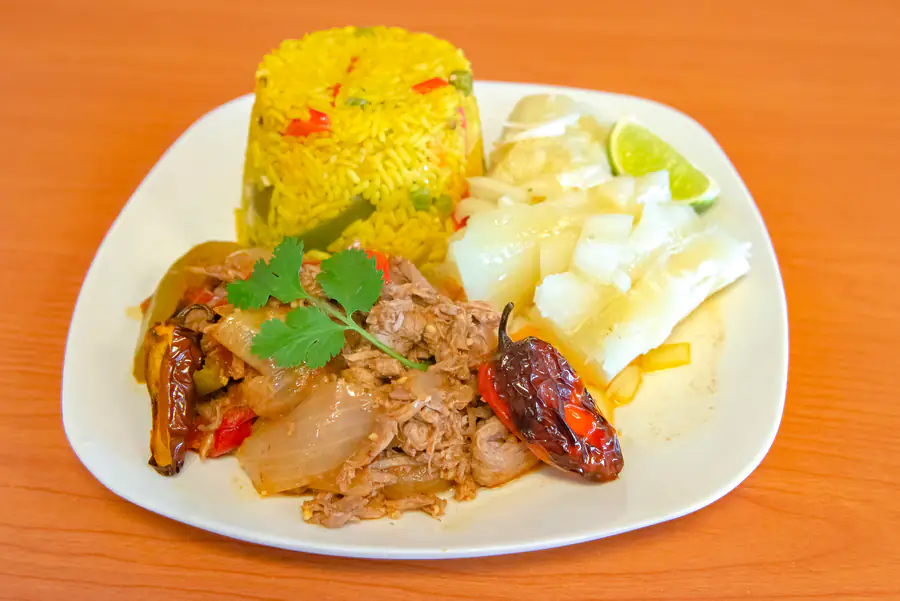
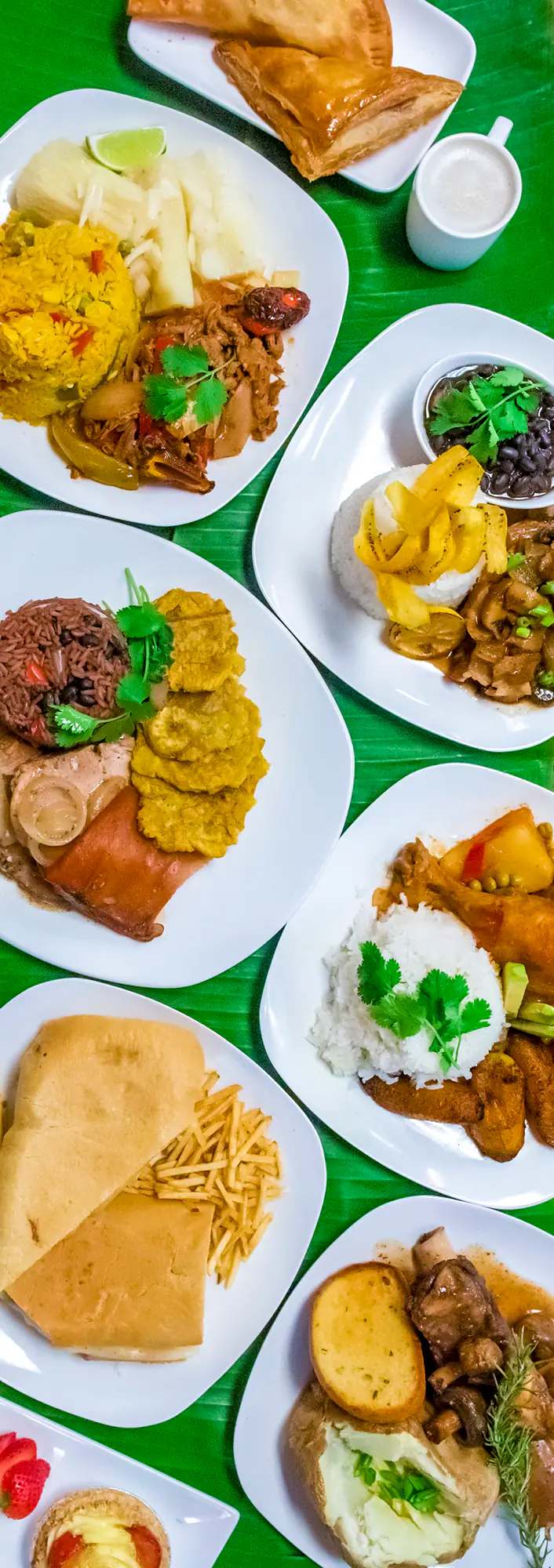
A good bakery announces itself before you reach the door. You catch butter in the air, then warm bread, then sugar just beginning to caramelize on a tray that came out minutes ago. In a Cuban bakery, that first impression matters even more because freshness is not a marketing phrase. It is the difference between a pastelito that shatters delicately and one that goes limp, between bread with a crisp shell and bread that tastes tired by noon, between coffee that feels like ritual and coffee that feels like fuel.
That is why the search for a proper Cuban bakery Aurora CO residents can return to matters more than convenience. People are not only looking for a place to grab breakfast. They are looking for food that carries memory, skill, and repetition. They want the sandwich bread to have the right give. They want guava and cheese pastries that hit the sweet-salty balance without turning cloying. They want cafecito served strong enough to cut through a cold Colorado morning and still feel unmistakably rooted in a warmer place.
Aurora is an interesting setting for that search. It is a city shaped by movement, with neighborhoods that reflect different migrations, different work schedules, and different ideas of comfort food. In a place like that, a bakery does more than sell baked goods. It becomes a translator between traditions. It introduces regulars to flavors they did not grow up with, while giving Cuban families and other Latin American customers something recognizable, dependable, and honestly made.
What makes a Cuban bakery distinct
People sometimes lump all Latin bakeries together, but that flattens real differences in flavor, texture, and technique. A Cuban bakery has its own rhythm. The pastry case tends to lean on laminated doughs, fruit fillings, lightly sweet breads, savory options, and sandwiches built for both speed and satisfaction. The products are designed to be eaten fresh, often within hours of baking, and the menu usually reflects the habits of daily life, not special-occasion indulgence alone.
Take Cuban bread. It is not interchangeable with a French baguette or a generic hoagie roll. The crust should have a gentle crackle rather than a heavy, jaw-testing hardness. The interior should be airy but not loose, soft enough to press for a sandwich, sturdy enough to hold roast pork, ham, pickles, Swiss cheese, and mustard without dissolving into paste. That balance looks simple from the customer side of the counter. Behind the scenes, it takes judgment about proofing, humidity, oven heat, and timing.
The pastry side tells a similar story. A well-made pastelito de guayaba should not drown in filling or hide behind sweetness. The guava needs brightness. The dough needs lift. If there is cream cheese or cream cheese-like filling involved, it should temper the fruit, not smother it. Even a humble croqueta sold in a bakery case depends on texture. The shell has to hold. The center should stay creamy. If it tastes as though it was fried hours ago and left under a warmer, people notice.
That is part of the charm and the challenge of a Cuban bakery in Aurora. Customers arrive with different expectations. Some know exactly what a proper pastelito should feel like in the hand. Others are trying Cuban pastries for the first time. The best bakeries serve both groups without diluting the tradition.
Freshness is not a slogan, it is the product
Bakery freshness gets overused as a selling point because it sounds universally appealing. In practice, freshness means something specific. It means production is tied closely to demand. It means batches are sized with care. It means the display case is not just full, it is turning over. You can often tell within seconds whether a bakery is serious about this. The pastry edges stay crisp, not leathery. The sugar dusting looks intentional, not damp. Bread still gives off warmth, or at least the aroma of recent baking.
At a Cuban bakery, freshness also affects the emotional side of eating. There is a tiny window when certain products are at their peak. Freshly baked pan cubano eaten with butter can be remarkable in its simplicity. A guava pastry bought at the right hour, still flaky and fragrant, tastes complete in a way the same pastry never quite does after sitting in a box for half a day. Good bakeries understand this and build their routines around it.
That often means early mornings matter. So do mid-morning replenishments and lunch rush timing. In my experience, the strongest bakeries are not just baking well, they are scheduling well. They know which items need to be ready for workers grabbing breakfast, which sandwiches move fastest before one o'clock, and which sweets people pick up on the way home. There is a practical intelligence to it. You can feel it in a https://gunnernsmk470.solsticebrief.com/posts/find-authentic-cuban-flavor-close-to-home-in-aurora-co shop where nothing seems accidental.
Colorado adds another wrinkle. Altitude and dry air complicate dough work, especially for operators whose recipes may have been developed in very different climates. Bakers who make the adjustment successfully deserve real credit. Flour absorbs differently. Proofing behaves differently. Moisture management changes. Customers may never see those production decisions, but they taste the outcome.
The role of tradition in every tray
Tradition in food can become a shallow talking point when businesses treat it as decor. A few vintage signs, a little nostalgia, and suddenly every recipe is called authentic. The real test is whether the food reflects a chain of knowledge. Did someone in that kitchen learn how the dough should look, not just what the recipe says? Does the bakery understand why one item is baked darker, why one filling is kept restrained, why the coffee is prepared with such intensity?
Cuban baking tradition is built from adaptation as much as preservation. It carries Spanish influences, Caribbean ingredients, migration stories, and the realities of feeding working people well and efficiently. That is why the menu often feels broad without feeling scattered. Sweet and savory live side by side naturally. Coffee matters as much as pastry. Sandwiches belong in the conversation. Nothing exists in isolation.
For a Cuban bakery Aurora CO diners trust, tradition should show up in three ways. First, in the product itself. The classics need to taste familiar to people who know them well. Second, in service style. Cuban bakery culture tends to value speed, warmth, and directness. People order coffee, talk a little, take a box for the office, return for lunch, and stop by again on a weekend morning with family. Third, in consistency. Tradition is not proved by one excellent day. It is proved by doing the work daily.
That consistency matters because bakery customers are creatures of habit. The person buying a dozen pastries for a meeting notices if the guava filling tastes thinner than last week. The parent bringing home bread on Saturday notices if the loaf dries out too quickly. Once a bakery earns trust, it becomes woven into routines. That is a fragile, valuable thing.
Why Aurora is fertile ground for a bakery like this
Aurora has the population size, diversity, and daily pace to support a bakery that does things properly. It is the kind of city where a single shop can attract commuters, local families, retirees, hospital staff, construction crews, and students, sometimes all in one morning. That customer mix rewards businesses that offer both comfort and efficiency.
A Cuban bakery fits especially well because the format is versatile. Some people come in for a quick café con leche and pastry before work. Some want a substantial lunch. Some are buying for a crowd. Some are chasing a taste they remember from Miami, Tampa, Havana, or a relative's kitchen. Others simply want better bread than what a chain can provide. The same bakery can meet all those needs if it manages production and service well.
There is also a broader local appetite for food with clear identity. Over the last several years, diners across the Denver metro area have become more willing to seek out specialty bakeries and regional cuisines. They ask better questions now. They care whether something is made in house. They notice texture and freshness. They are less satisfied with generic pastry cases that all look the same. That benefits a bakery with a point of view.
For newcomers to Cuban food, bakeries also offer a low-risk entry point. A sandwich is familiar. A pastry is approachable. A cup of strong coffee is universal. People who might hesitate at an unfamiliar dinner menu often have no trouble walking into a bakery and pointing at something that smells good. That makes bakeries powerful ambassadors for culture.
The menu items that tell you whether a bakery is serious
You can learn a lot from a bakery by paying attention to a few humble standards. Fancy seasonal items and elaborate cakes have their place, but they do not reveal much if the foundation is weak. The core products do that.
Cuban bread is one of the clearest indicators. If the bread is excellent, there is usually discipline in the kitchen. The loaf should feel light for its size. The crust should be thin and crisp, not armor. Slice it open and the crumb should look even, soft, and ready for a sandwich. Bread that turns dense, gummy, or overly chewy often points to bigger issues in fermentation or baking control.
Pastelitos are the second test. Good laminated pastry leaves evidence. The layers separate. The edges stay delicate. The filling sits in proportion to the dough. Guava is the classic benchmark because there is nowhere to hide. If the guava tastes flat, too sugary, or oddly processed, the whole pastry suffers.
Then there is coffee. Cuban coffee is not merely strong coffee served in a small cup. It is a style, a rhythm, and a flavor profile. The sweetness has to be integrated correctly. The body needs to be concentrated. It should wake up your palate, not just your pulse. A bakery that serves great pastries but weak coffee is missing part of the experience.
Savory items matter just as much. Croquetas, empanadas, and sandwiches reveal how a bakery handles seasoning, holding times, and volume. It is easy to make something taste decent the moment it is cooked. It is harder to keep a busy pastry and lunch operation moving while preserving texture. That is where craft meets logistics.
The experience goes beyond the display case
A Cuban bakery at its best feels active. Not chaotic, but alive. Orders are being called out. Espresso is pulling. A staff member is boxing pastries with quick hands. Someone is asking for extra napkins because they are taking a mixed dozen back to the office. There is usually conversation, often bilingual, sometimes loud, always purposeful.
That atmosphere matters because bakeries are one of the last food spaces where people still make frequent, low-stakes visits. They stop in for ten minutes, not two hours. They come alone, with kids, with coworkers, with grandparents. They stand, order, leave, and return. Over time, those small visits build loyalty more reliably than branding ever could.
Service in this setting needs its own kind of professionalism. Speed matters, but so does guidance. If a customer is unfamiliar with the menu, staff should be able to steer them gently. The right suggestion can turn a first-time visitor into a regular. A person who intended to buy one pastry may leave with a loaf of bread, two croquetas, and a new routine. That only happens when the staff know the food and believe in it.
Bakery owners sometimes underestimate how much customers value those interactions. People remember being told which pastry came out fresh. They remember when a worker suggested pairing a sandwich with a particular coffee. They remember seeing trays replenished instead of old items pushed to the front. In a crowded food market, those details separate a place worth detouring for from a place that is merely nearby.
How to choose a Cuban bakery in Aurora without overthinking it
You do not need a formal scorecard, but a little observation helps. If you are deciding where to become a regular, pay attention to a few practical signals:
- Notice turnover in the pastry case, especially in the morning and around lunch.
- Check the bread texture, both crust and crumb, rather than judging by appearance alone.
- Order one sweet item, one savory item, and a coffee on your first visit.
- Watch whether the staff can answer simple questions clearly and confidently.
- See how the food holds up ten minutes later, not just the second it is handed over.
That small test tells you more than online photos ever will. A glossy image can hide stale pastry or indifferent coffee. Texture cannot be faked in person.
Fresh baking and modern expectations
Tradition alone is not enough to sustain a bakery today. Customers have practical expectations that were less pressing a generation ago. They want efficient ordering, clean packaging, and, in many cases, options for larger catering orders or quick family pickups. They may also want ingredient clarity, especially around common allergens or dietary restrictions.
This is where judgment matters. A bakery can modernize without sanding away its identity. Clear labels help. Reliable online hours help. Better boxes for pastries help. None of that dilutes Cuban baking. It simply respects how people shop now.
There are, however, trade-offs. Expanding too aggressively can damage quality. A bakery that starts trying to be everything to everyone often loses the discipline that made it good. Large menus create waste. Excessive customization slows service. Chasing every dietary trend can weaken the core offering, especially when the classics depend on flour, butter, sugar, and traditional fillings to taste right.
The strongest operators know where to bend and where not to. They may add a few crowd-pleasing items or adapt packaging for convenience, but they protect the essentials. Bread stays bread. Coffee stays serious. Pastries are baked for flavor, not just appearance.
Why community bakeries endure
Restaurants often get more attention than bakeries, but bakeries tend to embed themselves more deeply in daily life. People may visit a restaurant once a month. They visit a bakery several times a week. That frequency changes the relationship. It creates familiarity, and with familiarity comes responsibility.
A Cuban bakery in Aurora can become a place where milestones and ordinary days overlap. Someone picks up pastries for a birthday breakfast, then returns the next day for a simple coffee before work. A family orders trays for a holiday gathering, then drops by the following week for bread and sandwiches. A neighbor stops in after a difficult morning because the routine itself is comforting.
Those rituals matter, particularly in a city where many residents are balancing long commutes, demanding jobs, and the disorientation that can come with building a life far from where they started. Food cannot solve those pressures, but it can soften them. A warm pastry and a familiar cup of coffee can anchor a day more than people admit.
What “where freshness meets tradition” really means
The phrase sounds easy until you try to live up to it. Freshness and tradition are not always automatically aligned. Tradition asks for patience, repetition, and fidelity to methods. Freshness demands responsiveness, timing, and constant labor. Putting the two together every day is harder than hanging a slogan on the wall.
A bakery that succeeds at both has to care about details that customers may never fully see. Dough needs to be mixed at the right moment. Fillings need to be prepared with restraint. Trays need to move in and out of the oven in a sequence that supports peak quality, not just production volume. Staff need to know when to replenish, when to pull, when to suggest, and when to say an item is best tomorrow because today’s batch is sold out. Oddly enough, honesty like that builds more trust than an overstuffed case ever could.
For anyone searching for a Cuban bakery Aurora CO can genuinely be proud of, that is the standard worth looking for. Not a place that imitates the look of a Cuban bakery, but one that understands the heartbeat of it. A place where the bread still matters, the coffee still bites pleasantly, the pastries still flake onto your shirt, and the old recipes feel alive rather than embalmed.
When that combination lands, it does more than satisfy hunger. It creates continuity between places, generations, and habits. It turns a bakery visit into something steady and dependable, the kind of local ritual people defend once they find it. Freshness meets tradition not in abstract terms, but in the plain, delicious reality of something baked well, served at the right moment, and remembered long after the last crumb is gone.
Cuba Bakery & Café
15028 E Mississippi Ave, Aurora, CO 80012
+1 303-752-2822
FAQ About Cuban bakery Aurora CO
What are Cuban pastries called?
Many small Cuban pastries are called pastelitos. They can have sweet or savory fillings, such as guava, cheese, guava and cheese, or seasoned meat. Cuba Bakery & Café lists guava, cheese, guava-and-cheese and beef pastries on its menu. Ask the bakery about current availability and ingredients when ordering.
What are traditional Cuban pastries?
Common Cuban bakery choices include flaky pastelitos filled with guava, cheese or meat. Cuban bakeries may also offer empanadas, breads and desserts alongside coffee. Cuba Bakery & Café lists pastelitos, several empanada fillings, pan Cubano and desserts such as tres leches and bread pudding. Selection can vary, so confirm the day's choices with the bakery.
What makes Cuban bread different?
Cuban bread is known for its light interior and a thin crust that becomes crisp when toasted or pressed. Traditional recipes often use lard, although ingredients vary by baker. It is commonly served as buttered toast or used for Cuban sandwiches. Cuba Bakery & Café lists pan Cubano and tostada on its menu; ask staff about the ingredients in their bread if you have dietary restrictions.