Bar With Private Room Solutions for Rainy Day Celebrations
Rain changes the mood of an event long before guests arrive. People leave home later, shoes come in wet, umbrellas pile up by the door, and a plan that looked effortless in sunshine suddenly needs shelter, warmth, and a little more thought. That shift is exactly why a Bar With Private Room becomes such a practical choice for celebrations that land on gloomy weather days. It gives you the sociability of a bar, the comfort of a protected space, and the flexibility to keep a party feeling intentional instead of improvised.
I have seen the difference this makes in real settings. A birthday dinner that would have felt scattered in a main dining room became lively and intimate once twenty guests had a room to themselves. A work milestone gathering, threatened by a day of hard rain and delayed trains, stayed relaxed because late arrivals could slip in without disrupting the whole room. A baby shower with grandparents, toddlers, and a few friends coming straight from the office worked because the private room absorbed all those moving parts without turning chaotic.
Rainy day events ask more from a venue than fair weather ones do. You are not just booking square footage. You are booking a buffer against inconvenience. The right room can turn bad weather into part of the atmosphere, windows fogged from the warmth inside, cocktails arriving on time, coats tucked away, music at the right level, and guests settling in rather than looking for the nearest dry exit.
Why rainy day celebrations need a different kind of venue
Outdoor plans fail in obvious ways, but rainy days can also undermine indoor events if the venue is too exposed or too rigid. A standard bar table booking often sounds fine on paper. Then the group arrives in waves, the noise level spikes, and the party starts to feel like it is borrowing space rather than owning it. That matters more in bad weather because people tend to stay put once they are comfortable. They need somewhere to gather, leave bags, shake off the cold, and reconnect.
A private room solves several problems at once. It gives guests a clear home base. It protects conversations from bar traffic and background noise. It allows hosts to control the pacing of the event, whether that means speeches, cake service, a gift presentation, or simply a quieter corner for older relatives. It also reduces the stress that comes with weather unpredictability. If ten people arrive twenty minutes late because of rain or traffic, the event still feels intact.
There is also a psychological piece that should not be overlooked. Rain tends to compress people inward. They want comfort, shelter, and a setting that feels worth the trip. A well chosen private room can provide that feeling quickly. Instead of standing shoulder to shoulder at a crowded bar, guests step into a defined space where coats come off, drinks appear, and the evening can begin.
What makes a Bar With Private Room genuinely useful
Not every private room is actually practical. Some are little more than curtained corners. Others are formally separated but too cramped, too bright, too hidden from service, or awkwardly far from the bar and restrooms. The phrase Bar With Private Room sounds promising, but the details decide whether the space will carry a rainy day celebration smoothly.
The first thing to examine is access. In wet weather, the path from street to room matters. A beautiful upstairs space loses points if guests have to queue in the rain before entry or navigate slippery stairs while carrying gifts. Venues with a covered entrance, fast check in, and a short route to the room make a noticeably better first impression.
The next issue is acoustic separation. Complete silence is not necessary, and many hosts actually want some ambient energy from the main bar. But there is a difference between lively and disruptive. If every cheer from the sports screen outside rattles the room, your dinner speeches or family conversation may struggle. Ask how the room feels when the bar is busy, not how it feels at 3 p.m. During a site visit.
Service flow matters just as much. A private room should not mean forgotten guests. The strongest setups usually have one of two models: dedicated room service during the event, or a nearby bar point with staff assigned to check the room frequently. In my experience, parties tolerate many small inconveniences if drinks and food arrive on time. They remember service delays far longer than they remember the paint color or pendant lights.
The room should fit the celebration, not just the headcount
Hosts often ask the wrong first question. They ask how many the room can hold, when the better question is how the group will use the room. Capacity only tells you the legal and functional ceiling. It does not tell you whether the space will feel right for your kind of event.
A 16 person birthday dinner needs a different room than a 16 person engagement party with circulating drinks. One group wants a long table, sight lines for toasts, and enough elbow room for shared plates and candles. The other may prefer soft seating, a drinks led format, and space to mingle without perching on laps. Add rain into the picture and people bring more physical clutter: coats, umbrellas, damp handbags, shopping bags, extra layers. A room that technically fits the number may still feel overcrowded.
I usually suggest imagining the first thirty minutes. Guests enter, set things down, greet each other, and order drinks. If there is no place for coats, no side surface for gifts, and no breathing space near the entrance, the room starts poorly. That early friction has a disproportionate effect on the mood.
This is where venue photos can be misleading. Wide angle images flatten the real feel of a room. If possible, ask for one or two photos with people in the space or request the room dimensions. Even a rough measurement helps. A room that is 12 by 18 feet may suit a seated group well, while a room with the same capacity on paper may feel tighter because of built in banquettes or a fixed service station.
Food and drink choices should support the weather
Rain changes what people actually want to consume. Cold sparkling drinks and light bites can still work, but guests often lean toward comforting, sustained options when they have arrived damp or chilled. This is good news for private room bookings, because bars that host these events usually understand pacing, warmth, and shareability better than standard restaurants do.
For food, the sweet spot is often between a full plated meal and pure grazing. Celebrations in bad weather benefit from substance. Nobody wants to balance tiny canapés while holding a wet umbrella and hunting for a chair. Passed snacks can work for short receptions, but most social groups settle better with shared starters, hearty small plates, or a set menu that takes ordering pressure off the room.
For drinks, flexibility wins. A private room gives you the option to offer a curated menu without overcomplicating the event. Signature cocktails can be fun, but they should not slow service. If the venue can prebatch one or two house cocktails for your group, that often keeps energy up and lines down. Wine on the table and an easy beer selection also help late arrivals feel caught up quickly.
One practical note from experience: ask whether hot drinks can be served smoothly if your crowd may want them. For daytime showers, afternoon celebrations, and multigenerational gatherings, tea and coffee service can feel almost luxurious on a rainy day. It is a small thing, but it changes how long certain guests stay and how comfortable they feel.
The strongest rainy day bookings have a weather backup mentality
A lot of event stress comes from planning as if everything will go right, then scrambling when it does not. The more effective approach is to treat rain as part of the design brief from the beginning. A Bar With Private Room is one part of that, but the host still needs to ask a few blunt, useful questions.
- Is there a covered or convenient drop-off point nearby for taxis and rideshares?
- Where will coats and umbrellas go once guests arrive?
- Can the room start earlier if people show up ahead of schedule to get out of the rain?
- What happens if five to eight guests are significantly delayed?
- Can food service flex without ruining the flow of the event?
When venues answer these questions confidently, that is usually a sign they host real events, not just room rentals. They have seen weather disrupt arrivals. They know whether umbrellas drip onto polished floors, whether the room gets stuffy with wet outerwear, and whether the kitchen can hold mains for a short delay. Those operational details rarely appear in glossy marketing, but they determine whether a celebration feels seamless.
Privacy does not have to mean isolation
Some hosts worry that a private room will flatten the energy of a celebration. They picture a sealed box where the atmosphere feels detached from the rest of the venue. That can happen, particularly in overly formal spaces, but the best private room setups strike a balance. Guests have their own space, yet they still sense the pulse of the bar outside.
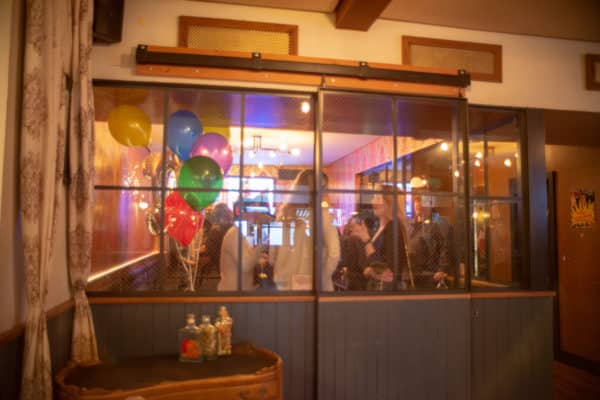
That balance matters on rainy days because weather already pushes people inward. If the room feels too enclosed, the party can lose momentum. If it feels too exposed, the privacy is meaningless. Venues get this right in different ways. Some use glass partitions that keep visual connection without letting sound dominate. Others position the room just off the main bar so staff can move fluidly while guests remain separate. Some use lighting, doors, and sound treatment to create intimacy without sacrificing atmosphere.
I have found that celebrations with mixed age groups benefit most from this middle ground. Younger guests often appreciate being close enough to continue the night at the bar after the formal part ends. Older guests appreciate being able to hear each other while still feeling part of a lively setting. A good private room lets both happen naturally.
Event types that especially suit private room bookings in wet weather
Certain celebrations become dramatically easier once there is a protected room and bar service attached. This is not because the events are fussy. It is because rain amplifies every logistical weakness, and these occasions often carry more moving parts than a simple drinks booking.
- Birthday dinners and milestone birthdays, especially when cake, speeches, or decorations are involved
- Baby showers, bridal showers, and engagement gatherings with gifts and multigenerational attendance
- Team socials, retirement drinks, and client celebrations that need a professional but relaxed tone
- Family reunions or holiday meetups when people are traveling from different directions
- Small wedding after-parties or rehearsal gatherings that need privacy without full venue hire
What links these events is not formality. It is the need for a defined center of gravity. Rain makes guests crave exactly that.
Timing changes everything on a wet day
A 6:30 p.m. Booking in clear weather behaves differently from the same booking in steady rain. Travel takes longer. People arrive more unevenly. Street parking becomes less appealing. Public transport delays feel more frustrating when everyone is damp and carrying things. Because of this, one of the most useful moves a host can make is to build tolerance into the schedule.
If the venue allows access thirty minutes before the stated start, take it. That gives early arrivals a place to land and gives you margin if the weather worsens. If food matters to the event, do not schedule the main service too aggressively. A room that starts with drinks and a little breathing room nearly always handles weather delays better than one that expects everyone seated and ordering immediately.
This is also where minimum spends deserve careful reading. Some private rooms come with no fee but require a spend threshold. Others charge room hire https://www.google.com/maps?cid=9305732499708573250 and let food and drink sit separately. Neither model is inherently better. For rainy day celebrations, the key is whether the structure supports the event rhythm. If guests are likely to linger because the weather outside is poor, a minimum spend can work in your favor. If the group is more formal and time bound, a clear hire fee might offer better control.
Small amenities carry unusual weight
When weather is bad, practical comfort feels memorable. Guests notice whether the room is too cold after coats come off. They notice whether there is a spare chair for bags, enough napkins for damp hands, and decent lighting for photos taken indoors. These are not glamorous considerations, but they are the difference between a room that merely exists and one that actively supports the celebration.
A few details deserve special attention. Restroom proximity matters more in wet weather because people may need to freshen up on arrival. Ventilation matters because damp outerwear can make a room feel close and humid surprisingly fast. Seating variety matters because some guests want to perch with a drink while others need proper support for a two hour meal. If children or older relatives are attending, these comfort layers stop being optional.
Hosts often spend too much time discussing decor and too little on function. Decor matters, certainly. Nobody wants to celebrate under harsh office lighting. But most guests forgive neutral interiors if the room feels warm, easy, and cared for. They do not forgive a beautiful room where they cannot hear, sit comfortably, or get a drink.
How to judge value without getting distracted by the cheapest option
Price comparisons for private rooms can be deceptive. One venue may look expensive until you realize it includes staffing, AV, linens, cake service, and flexible arrival times. Another may appear affordable until every useful extra becomes a charge. The rain factor sharpens this issue because the event relies more heavily on operations than it would in mild weather.
A sensible way to compare options is to look at three categories at once.
| Category | What to look for | Why it matters in rain | | --- | --- | --- | | Access | Entrance, stairs, transport, waiting area | Guests arrive wetter, later, and less patient | | Service | Dedicated staff, speed, menu flexibility | Delays feel worse when everyone is confined indoors | | Comfort | Coat storage, temperature, layout, acoustics | Small discomforts compound over a two to three hour event |
That kind of comparison often reveals that the best value is not the lowest figure. It is the venue that prevents foreseeable friction. If your celebration includes elderly parents, a surprise toast, expensive gifts, or guests who barely know each other, those protections matter even more.
A room can support the mood you actually want
One reason private rooms work so well for rainy day celebrations is that they let the host tune the mood more precisely. In the main bar, you take the venue as it comes. In a private room, you can soften or sharpen the evening. A casual reunion can stay loose with bar snacks, low lighting, and open tabs. A promotion party can feel polished with a set menu and a short speech. A quiet anniversary dinner with close friends can become intimate instead of lost in a noisy crowd.
That flexibility becomes especially useful when the weather itself is creating emotional drag. Guests may arrive flustered, tired, or less sociable than usual. The room gives them a transition space. Within fifteen minutes, wet coats are off, glasses are filled, and the outside conditions stop dominating the event. That recovery period is one of the most underrated benefits of booking a Bar With Private Room.
It also helps hosts themselves. Rain can make even well organized people feel behind before the event begins. If the venue offers a room with clear boundaries, responsive staff, and a little tolerance for late arrivals, the host gets to become a guest sooner. That is not a luxury. It often determines whether the celebration feels warm and generous or tightly managed and brittle.
The best bookings come from asking better questions
The smartest hosts are rarely the ones with the biggest budget. They are the ones who ask practical, experience based questions before committing. Can music be adjusted? Is there a cake fee? Can the room be reset if RSVPs change? Does the venue allow simple decorations? What is the realistic end time if the weather keeps people from leaving quickly?
Answers to those questions reveal how adaptable the operation really is. A venue that has handled many private events will answer calmly and specifically. It will know what usually works, what tends to go wrong, and where there is room to flex. That confidence matters on rainy days because weather exposes weak systems fast.
If there is one pattern I have seen repeatedly, it is this: celebrations do not fail because it rains. They falter because the venue was chosen as if rain would not matter. When the room is well matched to the group, bad weather often becomes almost irrelevant. Guests remember the warmth, the privacy, the easy service, and the feeling that someone had thought the evening through.
That is the real advantage of a Bar With Private Room. It is not just shelter. It is structure, comfort, and control wrapped in a social setting people already know how to enjoy. On a rainy day, that combination is hard to beat.
The Winslow
Address: 243 E 14th St, New York, NY 10003
Phone number: +12127777717
FAQ About Bar With Private Room
Which bars in NYC offer private rooms?
Many bars in New York City offer private and semi-private rooms for parties and events, ranging from hidden basement speakeasies to upscale lounge spaces. Top options include The Back Room on the Lower East Side, Dear Irving Gramercy, Pebble Bar in Midtown, Mister Paradise in the East Village, and The Winslow in the East Village.
What is a private room in a pub called?
A small, private seating area or partitioned booth in a traditional pub is most commonly called a snug. Larger private rooms used for events, parties, or dining are typically referred to as private dining rooms, function rooms, or back rooms.
How much does a 2 hour open bar cost?
A 2-hour open bar generally costs between $15 and $45 per person, depending heavily on the quality of alcohol you choose. For a standard group of 100 guests, this translates to an overall cost of $1,500 to $4,500 before taxes, setups, and staff gratuities.